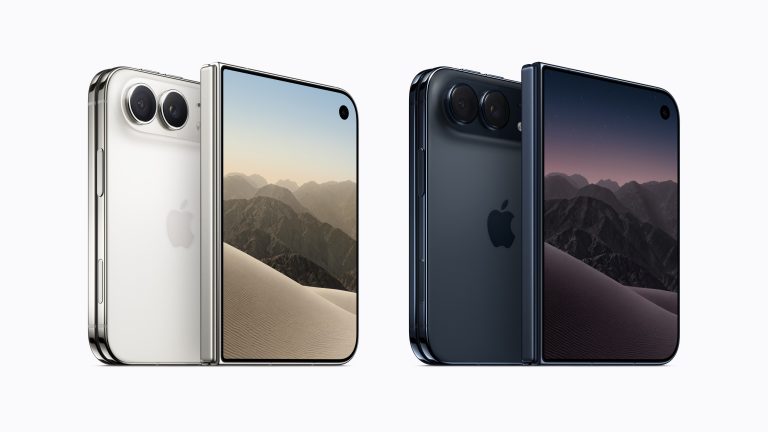
Design: Still the Same Old Brick
Apple has been known for its groundbreaking designs in the past, but the iPhone 17 looks suspiciously familiar. The same boxy shape introduced with the iPhone 12 persists, with only minor tweaks to dimensions and color options. While Apple may market it as “sleek” and “refined,” the reality is that it’s almost indistinguishable from its predecessors.
Where’s the bold innovation? Companies like Samsung and Google are experimenting with foldable screens, modular components, and futuristic aesthetics, while Apple clings to its safe, traditional design.
Features: Incremental Upgrades Disguised as Breakthroughs
Apple claims that the iPhone 17 is its most powerful iPhone yet. But let’s be honest—what else would they say? Here’s a breakdown of the so-called “upgrades”:
- A17 Pro Max Chip: While faster processors are always welcome, the difference in performance is negligible for most users. Unless you’re editing 4K videos on your phone, you probably won’t notice much improvement.
- Camera System: Yes, there’s a new 48-megapixel telephoto lens. But how many people actually use their iPhones for professional photography? For everyday users, the changes will hardly be noticeable.
- Battery Life: Apple touts a marginally improved battery life—about an extra hour. Is that worth paying hundreds of dollars more?
- USB-C Port: Finally, Apple complies with EU regulations and ditches the Lightning cable. While this is a step forward, it’s hardly innovative—it’s a long-overdue change forced by legislation, not Apple’s commitment to user experience.
Price: The Elephant in the Room
Perhaps the most contentious part of the iPhone 17 is its price. Starting at $1,299 for the base model and climbing to $1,799 for the Pro Max version, it’s clear that Apple isn’t afraid to charge a premium. But what exactly are you paying for?
When you strip away the marketing jargon, you’re left with a phone that offers marginal improvements over its predecessor. Meanwhile, competitors like Google Pixel and Samsung Galaxy provide similar, if not better, features at significantly lower prices.
Where’s the Innovation, Apple?
Apple built its empire on innovation, but the iPhone 17 feels like a step in the wrong direction. Gone are the days of revolutionary features like Face ID, Retina Display, or the App Store itself. Instead, we get iterative updates that fail to excite.
In the meantime, competitors are blazing trails with foldable screens, AI-driven software, and customizable hardware. Apple’s reluctance to take risks might appeal to loyalists, but it risks alienating a new generation of tech-savvy consumers looking for something truly groundbreaking.
What Should Apple Do Next?
If Apple wants to retain its position as the leader in the smartphone market, it needs to rethink its strategy. Here are a few suggestions:
- Embrace New Form Factors: Why not explore foldable or rollable displays?
- Focus on Customization: Offer users more control over hardware and software.
- Reevaluate Pricing: Stop alienating budget-conscious consumers with astronomical prices.
The iPhone 17 is yet another example of Apple playing it safe. For those with older models like the iPhone 12 or 13, the upgrade might be tempting. But if you already own an iPhone 14 or 15, the differences are too minor to justify the expense.
Ultimately, the iPhone 17 feels less like a bold step forward and more like a cash grab. Apple fans deserve better than the “same brick, double the price.” Unless Apple makes significant changes, its crown as the king of innovation might be slipping away.
So, before you preorder the iPhone 17, ask yourself: are you paying for true innovation or just the Apple logo?