The best Pro iPhone is the one that fits your hand,
your camera habits, and your storage needs.
According to apple.com, preorders begin on September 12, 2026, at 5 a.m. Pacific Time, with availability starting September 18.
For buyers, there are two decisions: which phone size makes sense, and how much storage is worth paying for?
Our starting recommendation is iPhone 18 Pro with 512GB. Consider Pro Max if you prefer a larger handset, and 1TB if you regularly create video.
Updated September 9, 2026. Specifications and prices are based on Apple’s published information. Buying recommendations are AppleBlog’s editorial assessment, not a hands-on review.
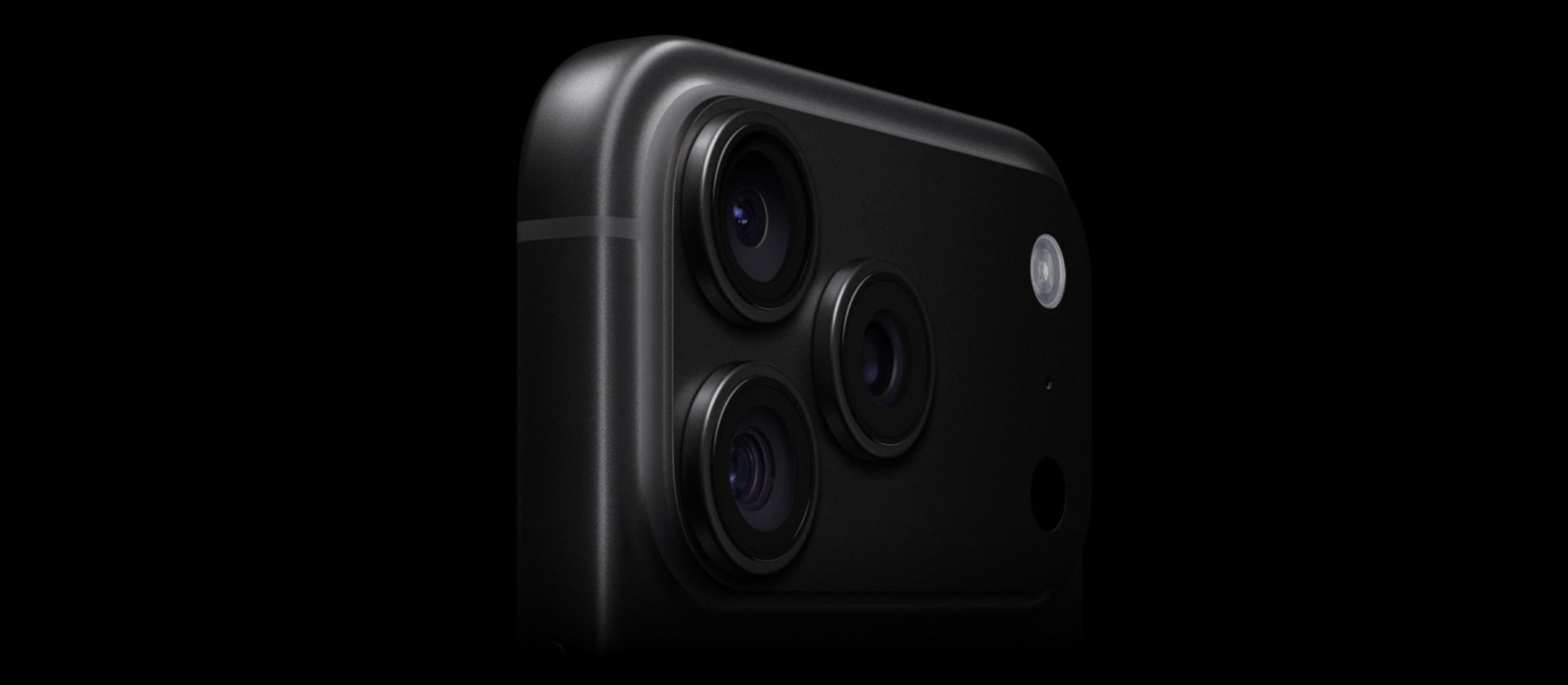
Camera Control
The Main camera offers adjustable aperture, with Pro controls for more deliberate shooting.
Two Sizes
Choose a 6.3-inch Pro or a 6.9-inch Pro Max.
Our Storage Pick
512GB offers a practical balance for everyday photos, apps, and occasional video.
iPhone 18 Pro Camera Specifications
Both models feature three 48MP rear cameras:
- Main: 24mm with f/1.48, f/1.8, f/2.8, and f/4.0 aperture settings.
- Ultra Wide: 13mm, f/2.2, with macro photography.
- Telephoto: 100mm, f/2.8, with 4x magnification and an 8x optical-quality option.
Apple also adds Photographic Styles 3, including texture and grain adjustments, and manual controls for shutter speed, white balance, and aperture.
Why Variable Aperture Matters
Aperture controls how much light enters through the lens and affects depth of field. A wider opening can help when light is limited; a smaller opening can keep more of a scene in focus.
For a blogger photographing a product on a desk, that creates a useful choice: emphasize one detail or try to keep more of the arrangement sharp. The benefit will depend on lighting, distance, and composition.
We would judge this feature by real photographs before treating it as a reason to upgrade on its own.
Front Camera and Video
- Selfies: 18MP Center Stage camera, f/1.9, autofocus, and 4K60 Dolby Vision.
- Main-camera video: Dolby Vision up to 4K120.
- Cinematic: up to 4K60.
- Action: up to 2.8K60.
- Pro recording: ProRes up to 4K120 with external recording; Apple Log 2 and ProRes RAW support.
For casual clips, the easiest recording mode may be all you need. If you plan to edit and color-grade footage, think about your entire process: recording, transferring, backing up, and editing. A larger phone capacity solves only one part of that process.
Display, Design and Performance
Key differences between the two models
| Specification |
iPhone 18 Pro |
iPhone 18 Pro Max |
| Display |
6.3-inch OLED |
6.9-inch OLED |
| Weight |
211g |
249g |
| Thickness |
8.75mm |
8.75mm |
| Video playback |
Up to 36 hours |
Up to 45 hours |
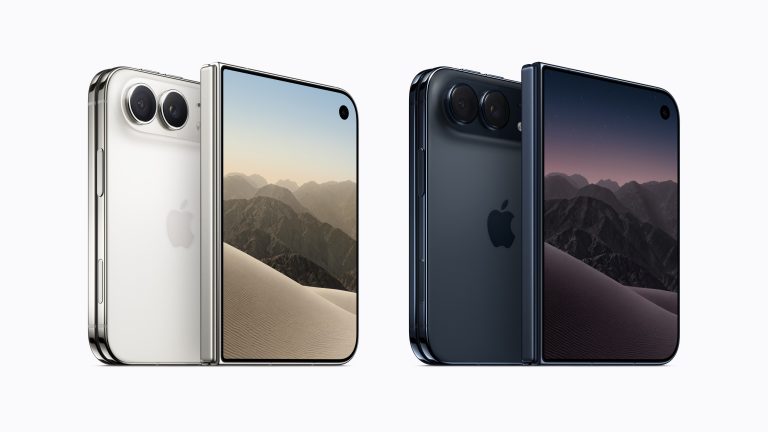
Both include 120Hz ProMotion, Always-On displays, and up to 3000-nit outdoor peak brightness. The aluminum bodies come in Burgundy, Glacier, Silver, and Black.
The A20 Pro combines a six-core CPU, seven-core GPU, and dual 16-core Neural Engine with vapor-chamber cooling.
Charging, Connectivity and Software
- Wired charging: up to 50% in approximately 15 minutes with a 60W-or-higher AVS-compatible adapter.
- Wireless: MagSafe and Qi2 up to 25W.
- Connections: USB 3 up to 10Gb/s, DisplayPort, Wi-Fi 7, Bluetooth 6, and 5G.
- Features: Face ID, LiDAR, IP68, iOS 27, and satellite safety services.
Battery and charging figures are Apple’s test claims; actual results vary. Compatible charging accessories are sold separately.
Apple says Siri AI is rolling out in English. Check feature availability for your language and region before making it a purchase priority.
iPhone 18 Pro and Pro Max US Prices
Apple’s US store lists the following prices for configurations with activation arranged later:
US listed device prices, checked September 9, 2026
| Storage |
iPhone 18 Pro |
iPhone 18 Pro Max |
| 256GB |
$1,199 |
$1,299 |
| 512GB |
$1,399 |
$1,499 |
| 1TB |
$1,799 |
$1,899 |
| 2TB |
$2,399 |
$2,499 |
Prices exclude any applicable checkout taxes or extras. Trade-in and carrier offers have separate conditions.
At matching storage capacities, Pro Max costs $100 more. Upgrading storage costs $200 from 256GB to 512GB, $400 from 512GB to 1TB, and $600 from 1TB to 2TB.
US models use eSIM rather than physical SIM cards. If you plan to use one abroad, confirm that your carrier supports activation.
Should You Choose Pro or Pro Max?
Choose iPhone 18 Pro for Everyday Comfort
Our preference would be the smaller model if you frequently use your phone while walking, carry it in a small pocket, or dislike holding a large device for long periods.
Try the size with a case fitted if possible. A phone that feels comfortable for a minute in a store can feel different during a long call or commute.
Choose Pro Max for a Larger Viewing Area
Pro Max is the more natural choice if you enjoy reading, watching video, or reviewing photographs on your phone and are comfortable carrying a larger handset.
We would choose it because that size suits your routine. Do not assume that the most expensive model will automatically be the most comfortable one to own.
Which Storage Should You Buy?
256GB: For Light Local Storage
Choose 256GB if you mostly stream entertainment, keep a modest app library, and regularly transfer photographs and videos elsewhere.
As a practical guideline, if your current usage is comfortably below 128GB and grows slowly, this tier deserves consideration. Leave room for future growth rather than buying a capacity you will nearly fill immediately.
512GB: AppleBlog’s Recommendation for Most Buyers
512GB is our preferred everyday configuration.
It gives a regular photographer, traveler, or casual creator room to work without immediately moving into the more expensive tiers.
For someone publishing blog posts, taking product photographs, and recording occasional clips, we would start here. The recommendation assumes that you periodically archive older files.
1TB: For Frequent Video and Large Libraries
Choose 1TB if filming is part of your weekly routine or you already carry several hundred gigabytes of content.
Think about the busiest period between file transfers. A creator covering a trip or event may need more temporary space than their usual day-to-day usage suggests.
That makes 1TB a sensible option for some working creators, even if they do not intend to keep every recording on the phone permanently.
2TB: For a Clear, Measurable Need
Choose 2TB when you know why your files will exceed the smaller tiers: extensive footage, large offline collections, or projects that must remain with you.
We would avoid paying for it simply because it sounds more future-proof. Estimate your needs first, including how often you will archive material.
Everyday Buyer
Pro, 512GB: our starting recommendation for a balanced everyday purchase.
Frequent Creator
Either size, 1TB: choose the handset you find comfortable and allow more room for projects.
Large Local Library
2TB: consider it when your expected storage use justifies the additional cost.
Who Should Upgrade?
We would put photographers who regularly adjust camera settings and creators who edit their own footage near the top of the list.
For everyone else, start with the problems your current phone creates. Does it run out of space? Is the battery interrupting your day? Do you repeatedly miss a shot because of a camera limitation?
If your current phone still meets your needs, waiting for independent camera comparisons and battery tests is a reasonable decision. An appealing specification is most valuable when it improves something you actually do.
FAQ
Which iPhone 18 Pro configuration should I choose?
AppleBlog recommends starting with the 512GB Pro. Choose Pro Max if you prefer a larger handset, or 1TB if you frequently create video.
Is 256GB enough for everyday use?
It can be, especially if you stream content and regularly archive media. Your current storage use and its rate of growth are better guides than a general rule.
Should a blogger buy 512GB or 1TB?
We would choose 512GB for writing, product photographs, and occasional clips. Consider 1TB if frequent filming or long periods between transfers are part of your work.
Is 2TB worth paying for?
Only if you expect to need that much local space. Make a realistic estimate of your footage, downloads, and active projects before choosing it.
Should I upgrade from a recent Pro iPhone?
Identify a specific limitation first. If your current device still handles your routine comfortably, compare independent test results before deciding.



0 Comments
Share your thoughts with other AppleBlog readers.