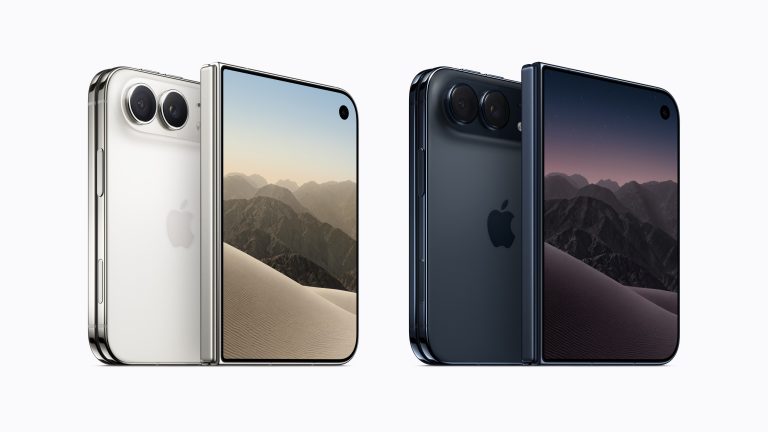
And honestly, the reason isn’t that newer iPhones stopped being impressive. Quite the opposite.
The real reason is that moving your entire digital life to a new device becomes more exhausting every year. Photos, apps, banking authentication, eSIMs, travel documents, work accounts, settings, passwords, endless background systems — at some point the comfort of a stable and familiar device starts feeling more valuable than chasing every yearly upgrade.
But for the first time in a while, I’ve finally decided to upgrade. And this year I’m ordering the iPhone 17 Pro Max with 2TB of storage.
Not because I think everyone suddenly needs 2TB on a smartphone. But because modern iPhones are quietly becoming something much larger than “phones.” They’re cameras, travel archives, workstations, media libraries and personal storage systems all at once. And honestly, in 2026, 256GB or even 512GB increasingly feels less like a comfortable long-term option and more like a temporary compromise.
2TB Finally Feels Logical
Modern iPhones now handle massive amounts of photos, video and AI-powered processing daily.
Apps Keep Growing
Social media and creative apps consume more storage space every year.
The Price Is Extremely High
But for long-term daily use, larger storage increasingly feels like the safer compromise.
Modern iPhones Quietly Became Digital Archives
Years ago, iPhone storage mostly meant apps, music and photos.
Now it means:
- 4K video libraries
- RAW photography
- AI-powered processing
- Massive app cache files
- Offline media
- Travel content
- Work documents
- Cloud synchronization
And somehow, storage keeps disappearing faster every year.
Instagram alone quietly accumulates enormous amounts of cache. TikTok stores temporary media endlessly. Lightroom libraries grow constantly. And once you begin shooting ProRAW photos or cinematic 4K video regularly, storage starts vanishing at a speed that would have felt absurd just a few years ago.
Which is exactly why 256GB no longer feels “future-proof” anymore.
Apps Are Becoming Heavier Every Year
Honestly, I increasingly feel that modern apps are evolving faster than people realize.
Apps today are no longer simple utilities. Many of them behave more like full operating systems running inside your iPhone.
Especially apps like:
- Instagram
- TikTok
- Facebook
- X
- Adobe Lightroom
- CapCut
They constantly refresh in the background, store temporary media, download AI assets, process recommendations and sync massive amounts of content daily.
And with Apple Intelligence arriving in iOS 27, this trend will probably only continue growing.
AI models themselves require additional storage. Background processing becomes heavier. Apps continue integrating more AI-powered functionality.
At some point, it becomes difficult to imagine comfortably using a modern “Pro” iPhone for several years with only 256GB.
4K Video Changes Everything
Modern iPhone cameras generate enormous file sizes during everyday shooting.
4K Video
ProRAW
Apps Grow Constantly
Social media apps consume more storage and cache space every year.
Instagram
TikTok
AI Requires More Space
Apple Intelligence may introduce larger local AI models and system assets.
AI
Apple Intelligence
Travel Content Adds Up Fast
Photos, videos and offline content accumulate surprisingly quickly during travel.
Travel
Media
2TB Feels Safer Long-Term
Large storage increasingly feels less like luxury and more like long-term practicality.
2TB
Long-Term Use
The Price Is Honestly Insane
Of course, there’s another side to this conversation too.
The price of a 2TB Pro Max iPhone is honestly absurd.
At some point, you stop feeling like you’re buying a smartphone and start feeling like you’re financing a small piece of futuristic titanium infrastructure.
And honestly, I completely understand why many people would never spend that much on a phone.
But at the same time, modern flagship iPhones increasingly function as:
- Primary cameras
- Work devices
- Travel companions
- Content creation tools
- Personal archives
And when viewed over a 3–4 year ownership period, storage suddenly starts feeling less like an unnecessary luxury and more like a compromise designed to avoid constant limitations later.
Because honestly, nothing feels more frustrating than buying an expensive “Pro” device and then spending years constantly deleting files, optimizing storage and worrying about free space.
Why I Don’t Upgrade Every Year Anymore
Ironically, the more technology I test for work, the less I enjoy constantly changing my primary phone.
Moving daily life to a new device sounds easy in theory, but in reality it becomes increasingly exhausting:
- Bank authentication
- Travel apps
- eSIM transfers
- Passwords
- App permissions
- Two-factor authentication
- Photo synchronization
And once your iPhone becomes deeply connected to work, travel and everyday routines, stability quietly becomes more valuable than yearly excitement.
Which is probably why I stayed with the iPhone 12 for so long.
Not because it was the newest phone anymore, but because it still felt familiar, reliable and fully integrated into daily life.
Switching Phones Is Exhausting
Modern smartphones contain years of personal and professional digital life.
Migration
Daily Life
Stability Matters More Now
Long-term comfort often becomes more important than yearly upgrades.
Stability
Routine
Modern iPhones Replace Cameras
For many users, the iPhone is now the primary camera and media device.
Photography
Video
Storage Anxiety Is Real
Deleting media constantly quickly becomes frustrating on smaller storage models.
Storage
Cloud
3–4 Years Changes the Math
Over several years, larger storage may ultimately feel more practical long-term.
Longevity
Investment
iPhones Are Quietly Becoming Long-Term Devices
One interesting thing about modern iPhones is that people increasingly keep them much longer than before.
Especially now that Apple supports devices for many years with software updates.
Which changes the entire storage conversation.
When someone buys an iPhone intending to use it for:
- 3 years
- 4 years
- or even longer
…storage stops being a short-term specification and becomes part of long-term comfort.
And honestly, I think this is exactly why 2TB iPhones finally begin making sense in 2026 — not because everyone suddenly needs enormous storage today, but because digital life itself keeps becoming heavier every single year.
Maybe Smartphones Are Simply Changing
At some point, modern smartphones quietly stopped being “phones.”
Now they are:
- Cameras
- Workstations
- Travel companions
- Content creation tools
- Entertainment devices
- Digital archives
And perhaps that’s why storage suddenly feels more important than it did just a few years ago.
Not because people became more obsessed with specifications, but because the role of the smartphone itself fundamentally changed.
And honestly, as expensive as a 2TB iPhone sounds today, I increasingly suspect that within a few years it may start feeling surprisingly normal.
2TB Is Expensive
The price feels extremely high, but storage limitations feel frustrating long-term.
Apps and AI Keep Growing
Modern software consumes significantly more storage than just a few years ago.
Long-Term Comfort Matters
For 3–4 years of daily use, larger storage increasingly feels more practical.
FAQ
Why buy a 2TB iPhone in 2026?
Modern apps, AI features, 4K video and large photo libraries consume far more storage than before.
Is 256GB enough for everyday use?
For lighter users, yes. But for long-term Pro usage with heavy media creation, it may feel limiting over time.
Why are modern iPhones using more storage?
Apps, AI assets, cache files, ProRAW photos and 4K video all significantly increase storage usage.
Why not upgrade iPhones every year?
Transferring an entire digital ecosystem becomes increasingly exhausting as smartphones become central to daily life.
Is the iPhone 17 Pro Max 2TB worth the price?
The price is extremely high, but for 3–4 years of heavy daily usage it may ultimately feel more practical long-term.