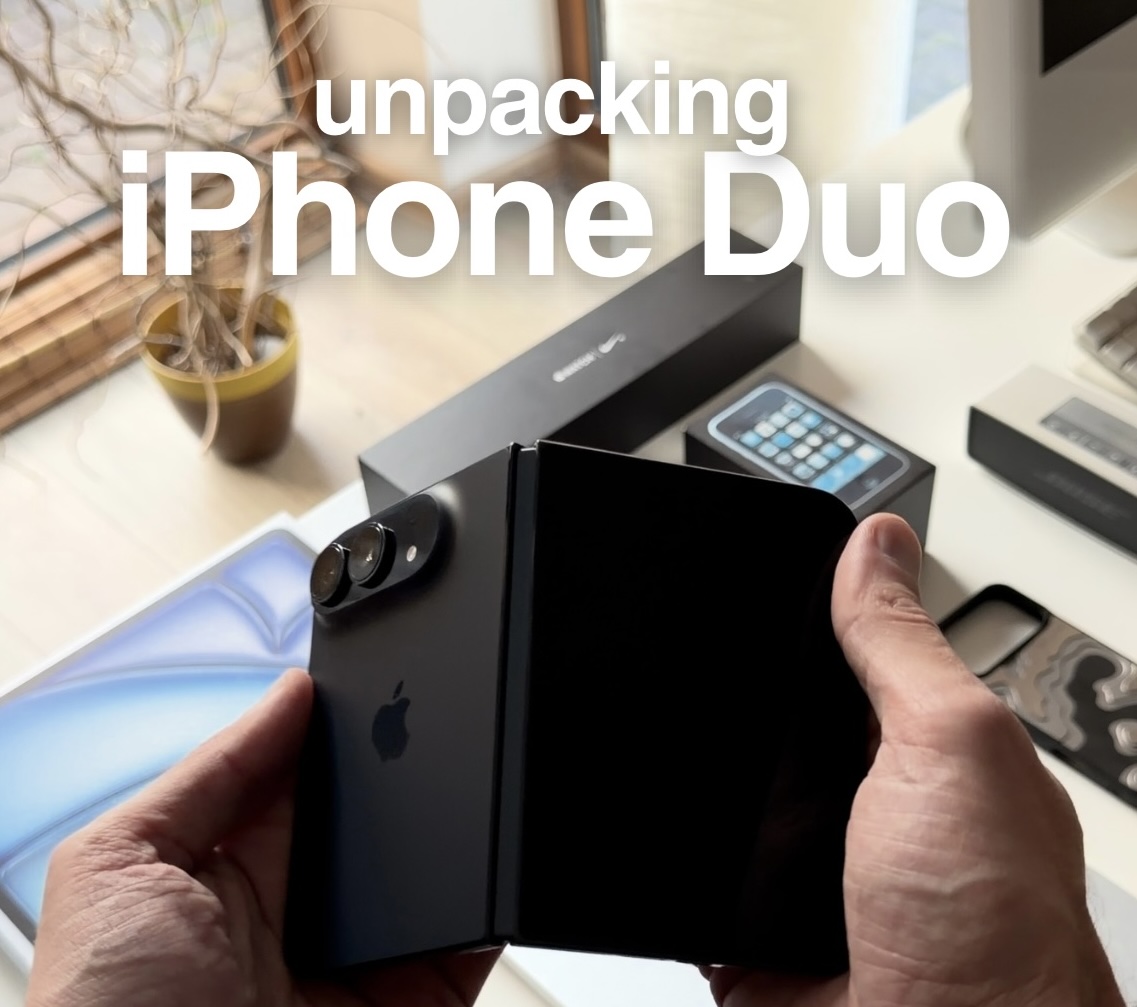
“Well, I finally did it. I bought the iPhone Duo.”
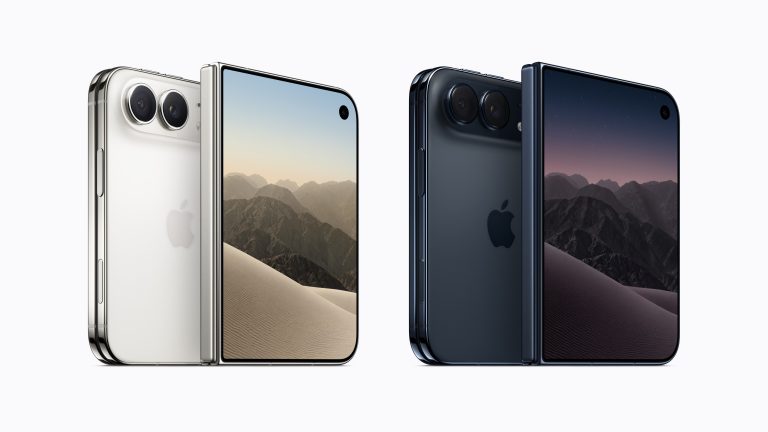
5.4-inch Outer Display
A compact iPhone for everyday communication, navigation, photography, and quick interactions.
Apple
2026
A compact iPhone for everyday communication, navigation, photography, and quick interactions.
A larger Super Retina XDR display for reading, multitasking, browsing, and entertainment.
Apple's latest-generation Pro processor, powering a completely different iPhone form factor.
After years of following Apple, writing about its products, discussing rumors, looking at concepts, and wondering whether a foldable iPhone would ever become a reality, I finally have one of my own. Not a concept, not a rendering, and not another photograph circulating on social media. An actual foldable iPhone that I can hold in my hands, use, and explore at my own pace.
I’ve recorded a complete unboxing video and taken a series of photographs of the new iPhone Duo. I wanted to share this experience here on AppleBlog because, for the first time in quite a while, buying a new iPhone feels like something more than simply upgrading to the next generation.
There is something genuinely exciting about this particular moment in Apple’s history. We’ve become accustomed to annual improvements in cameras, processors, battery life, and displays. All of those things matter, of course. But the fundamental experience of holding and using an iPhone has remained remarkably consistent for years.
The iPhone Duo changes that.
A compact iPhone for everyday communication, navigation, photography, and quick interactions.
A larger Super Retina XDR display for reading, multitasking, browsing, and entertainment.
Apple’s latest-generation Pro processor, powering a completely different iPhone form factor.
There was a time when opening the box of a new iPhone felt like discovering an entirely new piece of technology. I remember when every major iPhone generation seemed to introduce something that changed the way we interacted with our phones.
The original iPhone introduced an entirely different approach to mobile computing. The iPhone 4 made industrial design and display quality central to the smartphone experience. The iPhone X removed the traditional Home button and introduced a fundamentally different interface.
More recently, however, upgrading an iPhone has become a rather predictable experience. You open the box, admire the new finish, transfer your familiar Home Screen, and within a few hours everything feels almost exactly as it did before.
Sometimes the camera lenses are larger. Sometimes the bezels are thinner. Sometimes Apple introduces a new button that we spend the following twelve months deciding whether we actually need.
But the iPhone Duo represents a different kind of upgrade. The most interesting thing about it isn’t necessarily something buried inside the Settings app. It’s the fact that the device itself can physically change.
That’s why I decided to document the unboxing, take detailed photographs, and dedicate some time to exploring the hardware before moving on to the usual performance and software discussions.
This isn’t simply another iPhone with a faster processor. It’s Apple’s first attempt at answering a much more interesting question: what happens when the iPhone no longer has to remain the same shape throughout the day?
I wanted my unboxing video to focus on the device itself. There is already plenty of information available about specifications, benchmarks, and Apple’s official presentation. What interests me here is the product as an actual physical object.
The packaging, the proportions of the phone, the titanium enclosure, the folding mechanism, the outer display, and the transition to that considerably larger inner screen are all details worth examining without rushing through them.
Photographs can communicate a surprising amount about Apple’s industrial design, but video is particularly useful with a product like this. A foldable smartphone is defined partly by movement. A static product image cannot fully explain the relationship between its two halves.
That’s also why I’ve taken my own photographs rather than relying exclusively on Apple’s promotional material. Apple’s photography is beautiful, but there is something valuable about seeing a device outside the carefully controlled environment of an official product presentation.
Sometimes the smallest details become the most interesting ones.
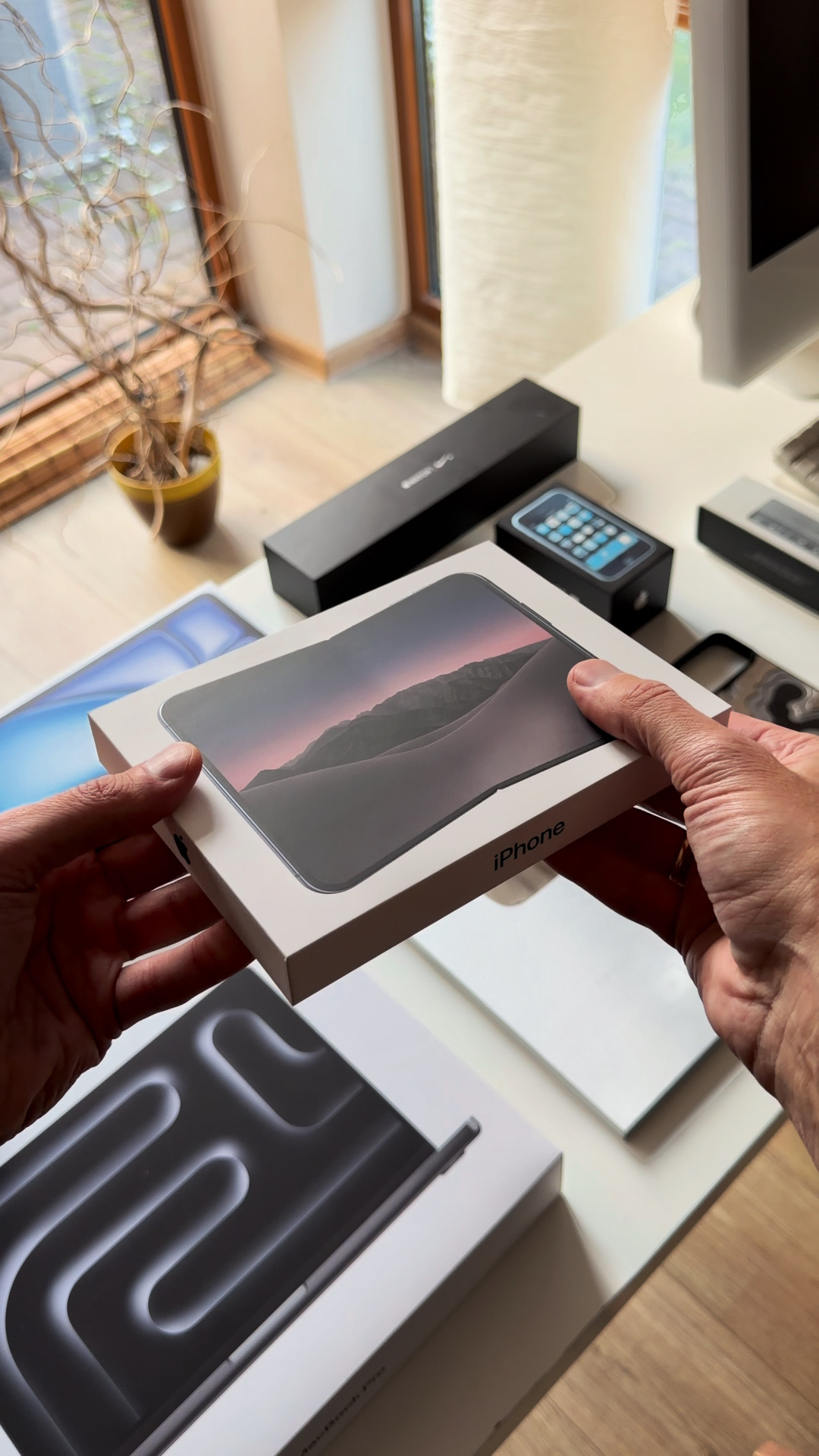
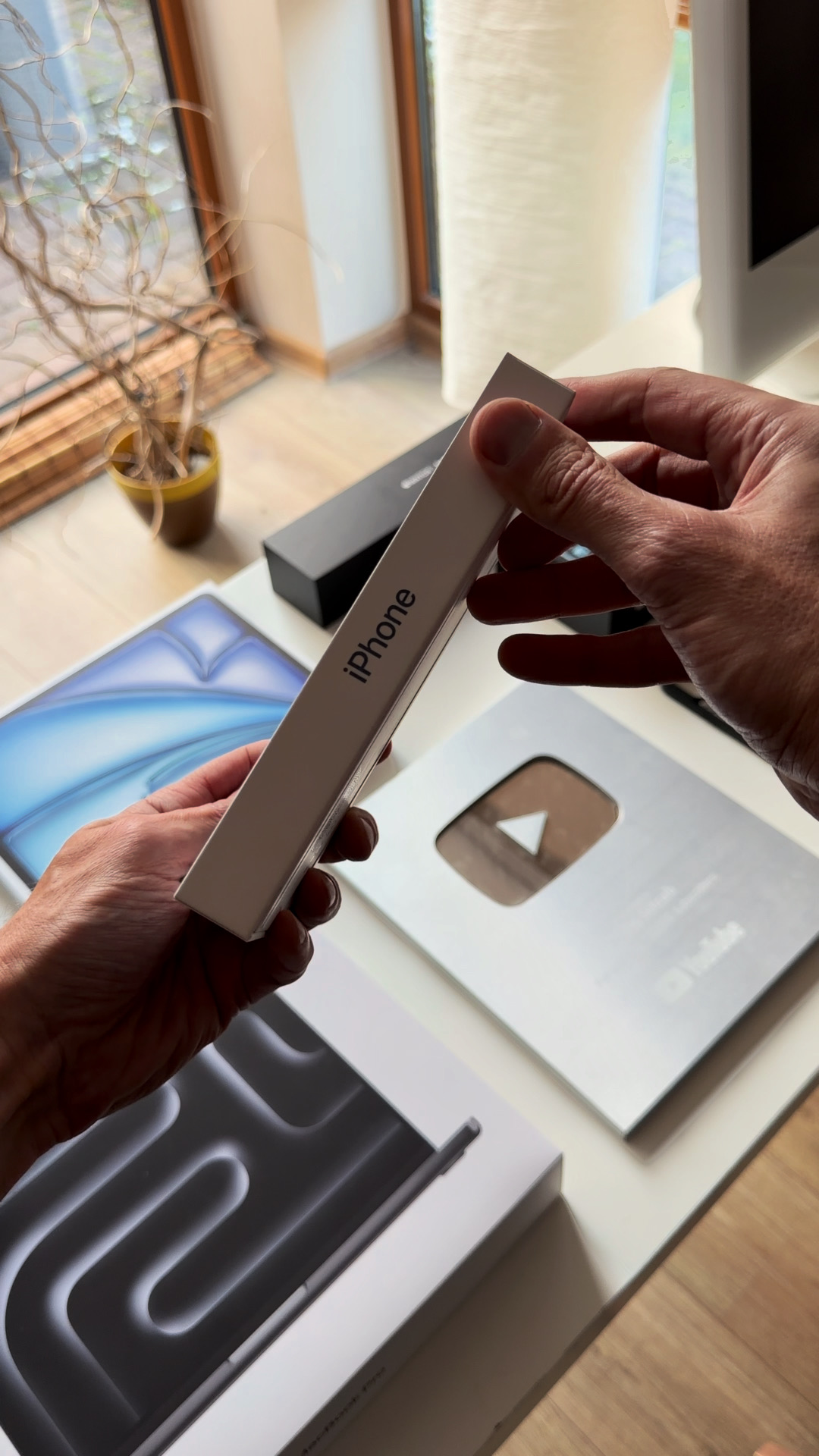
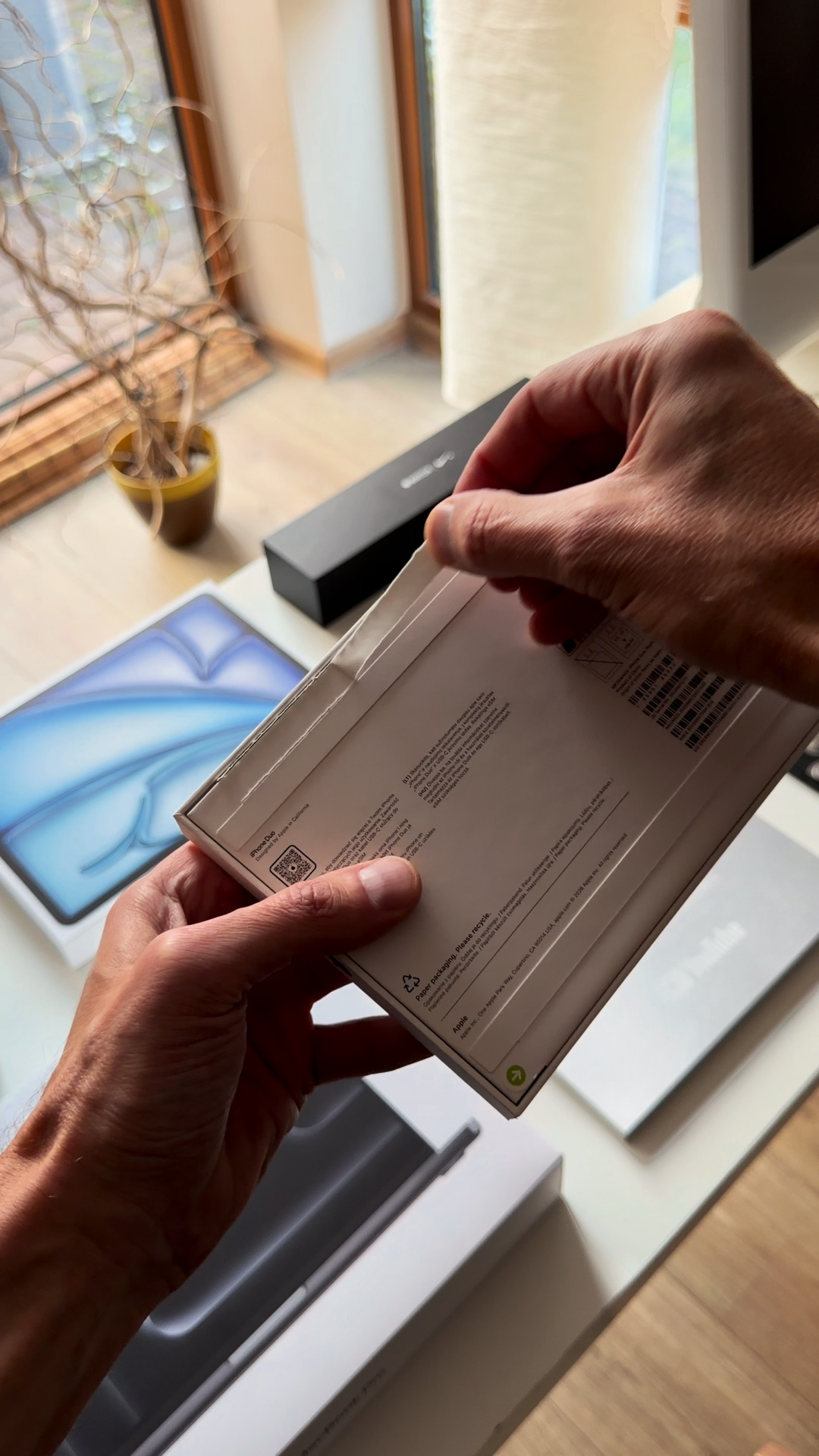
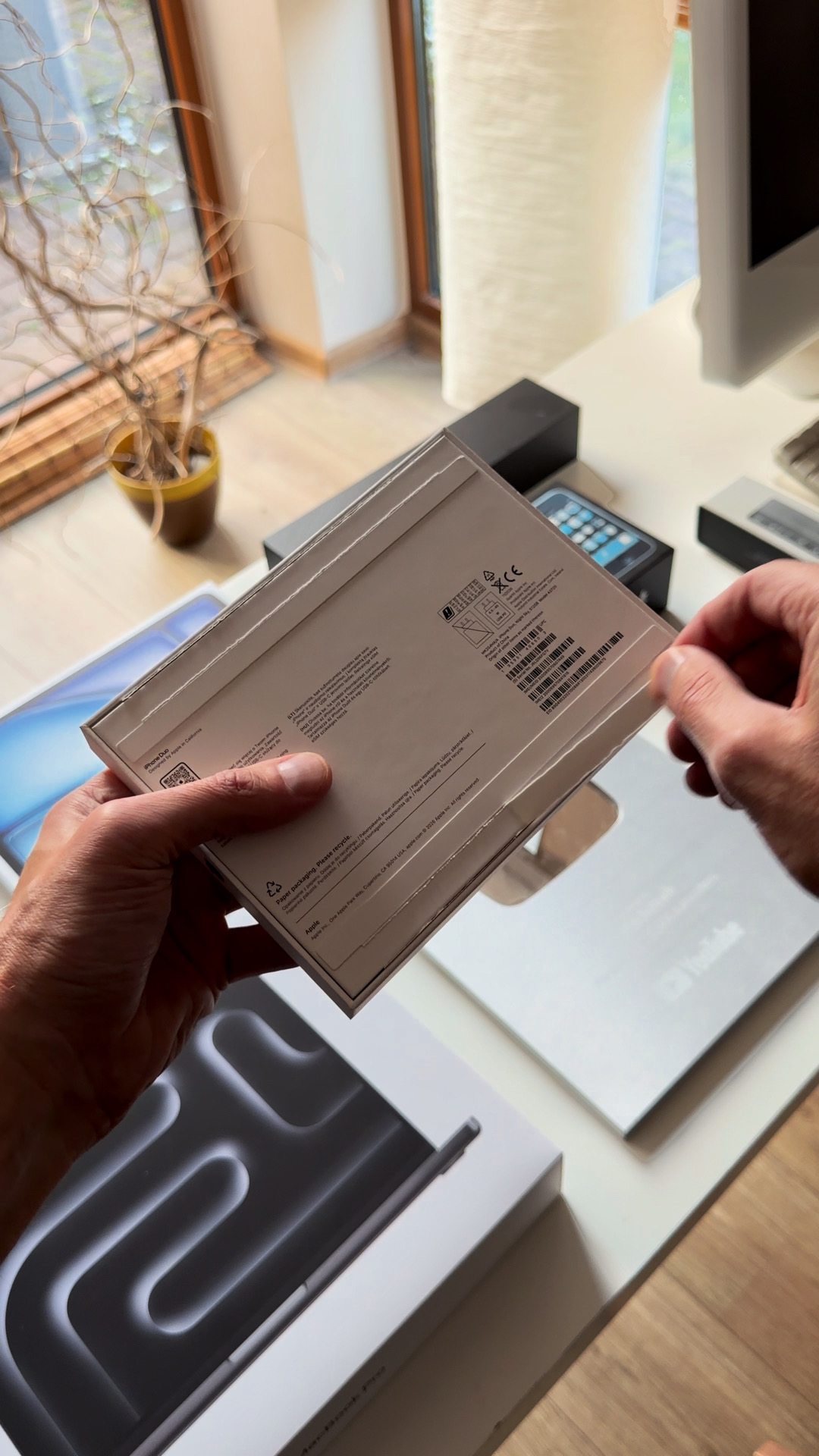
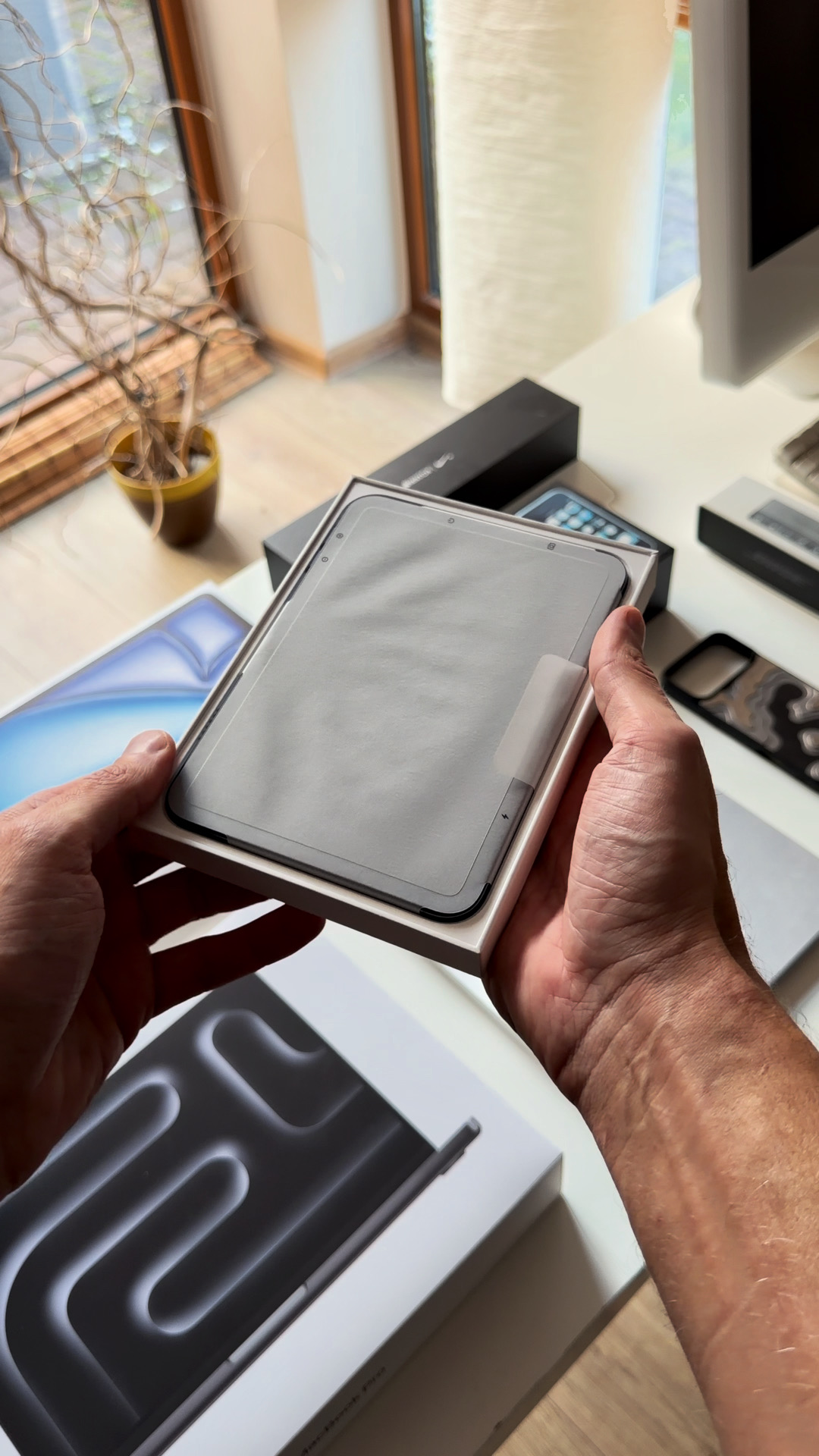
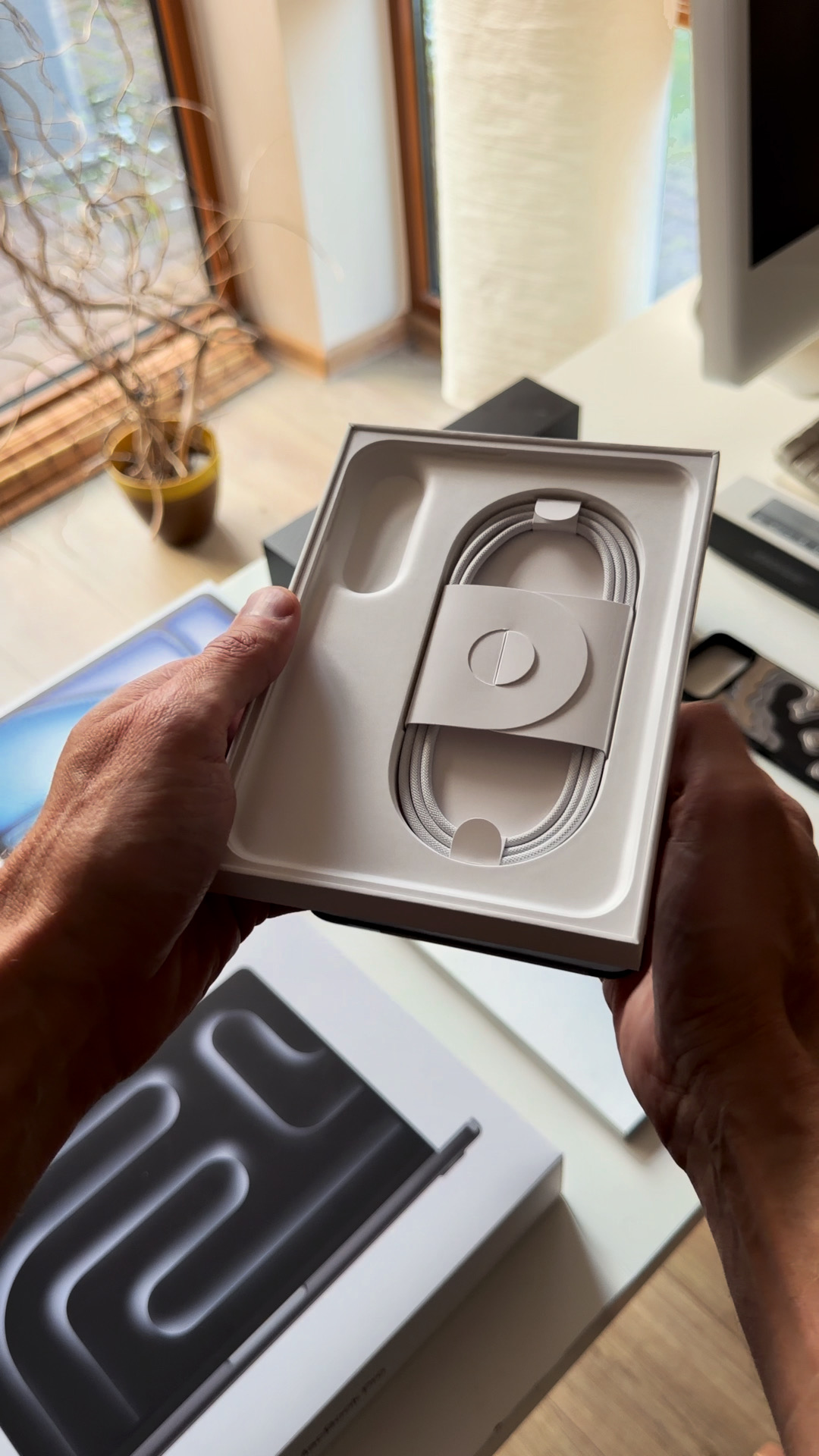
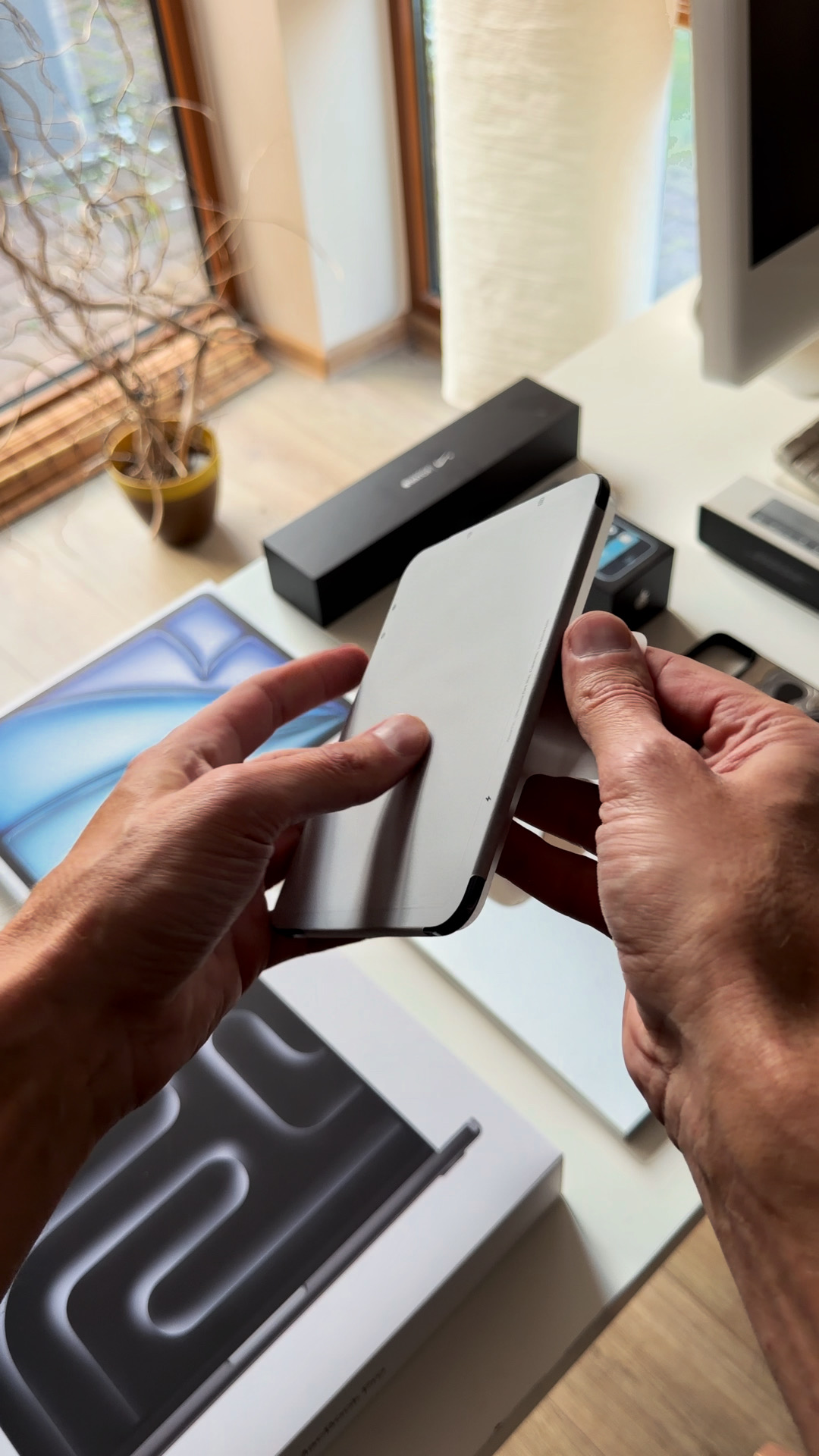
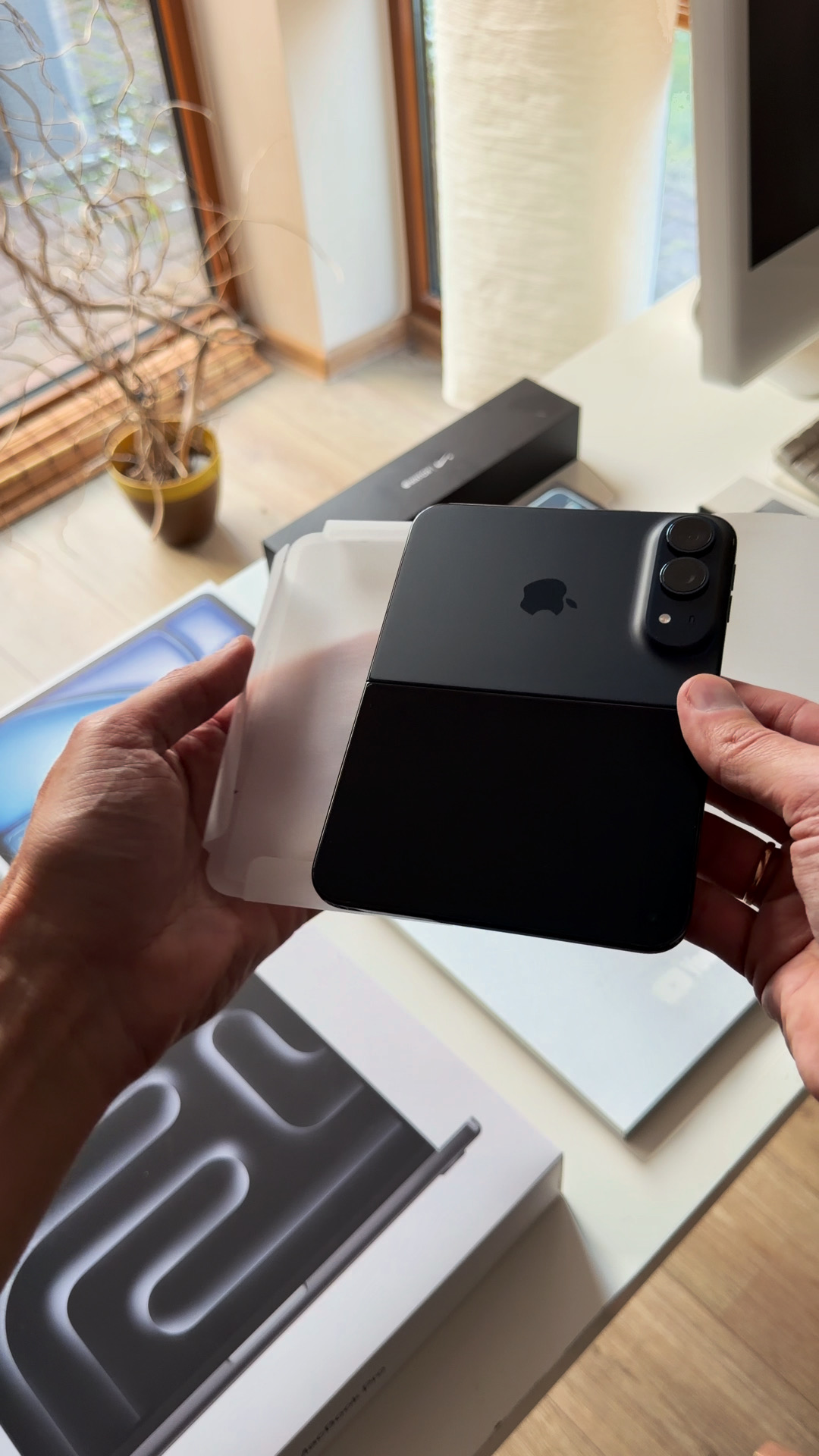
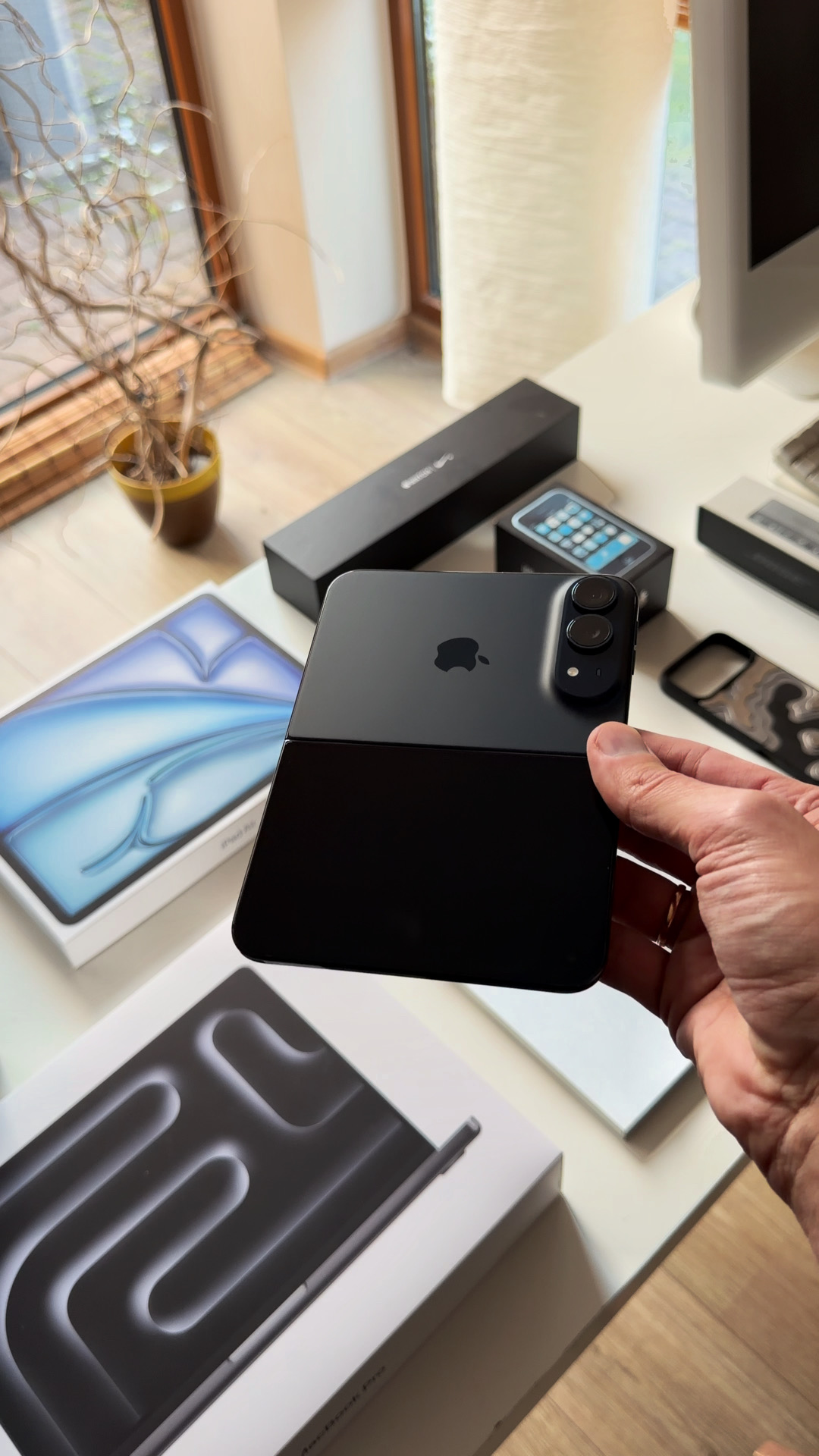
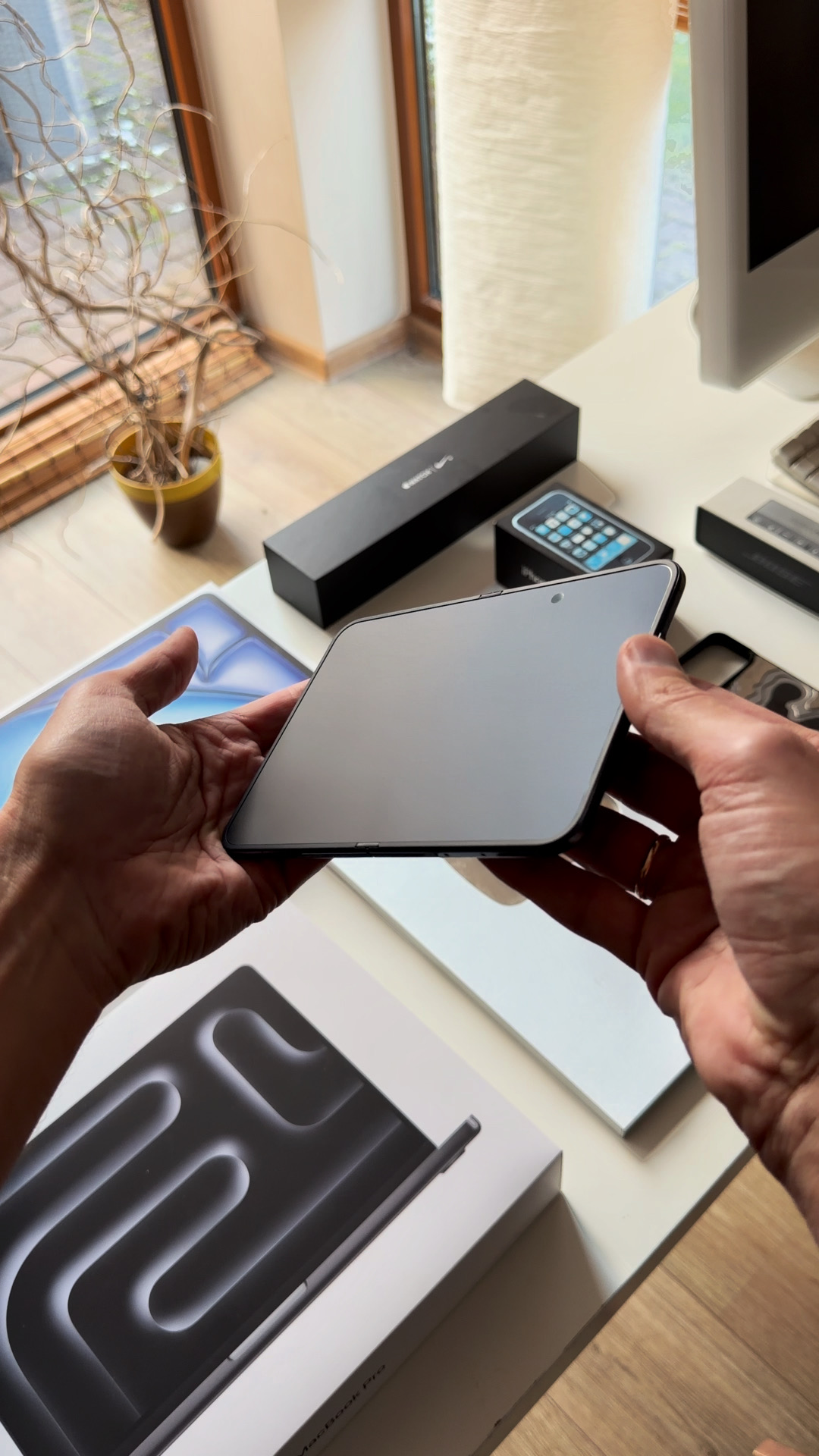
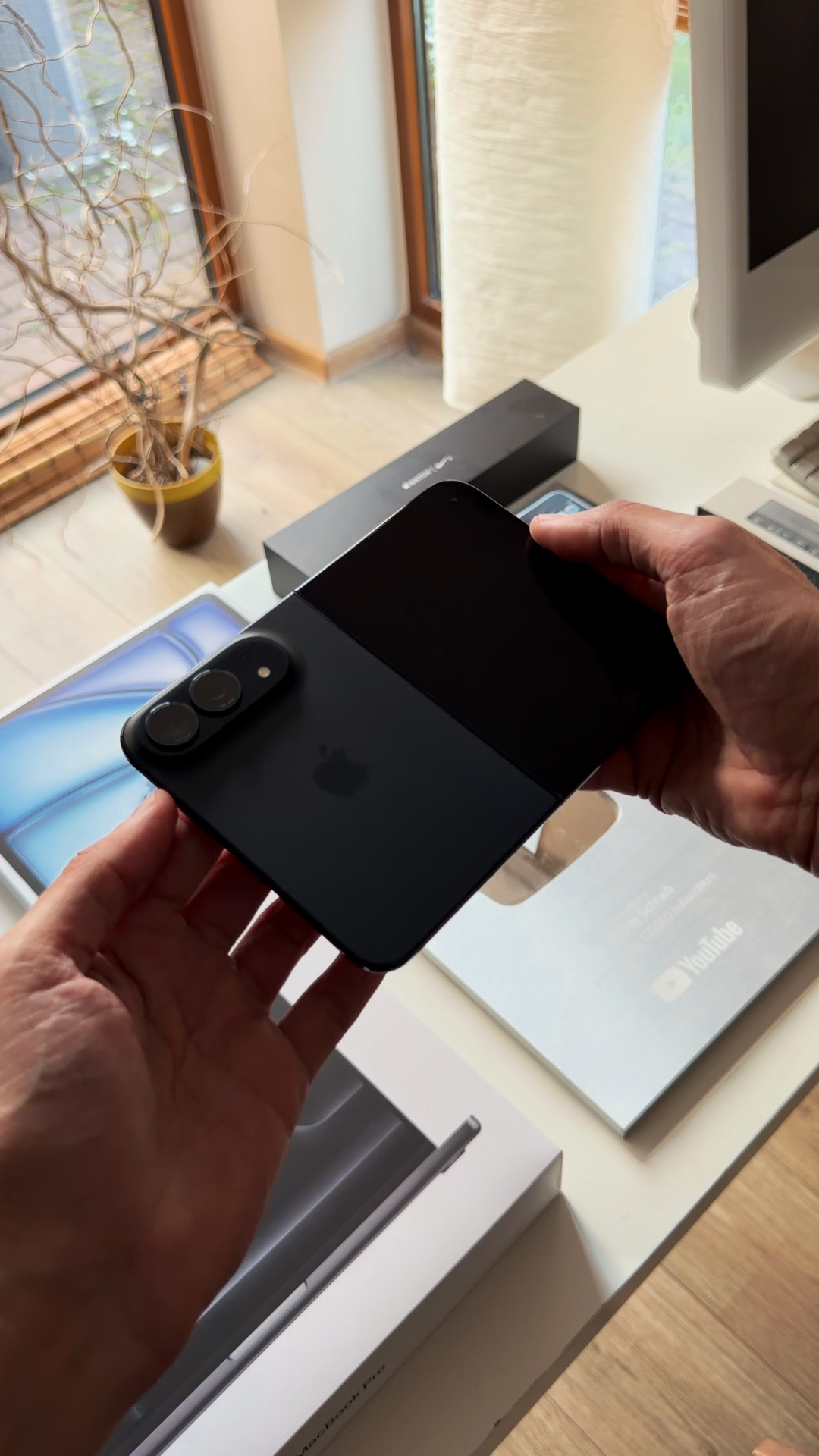
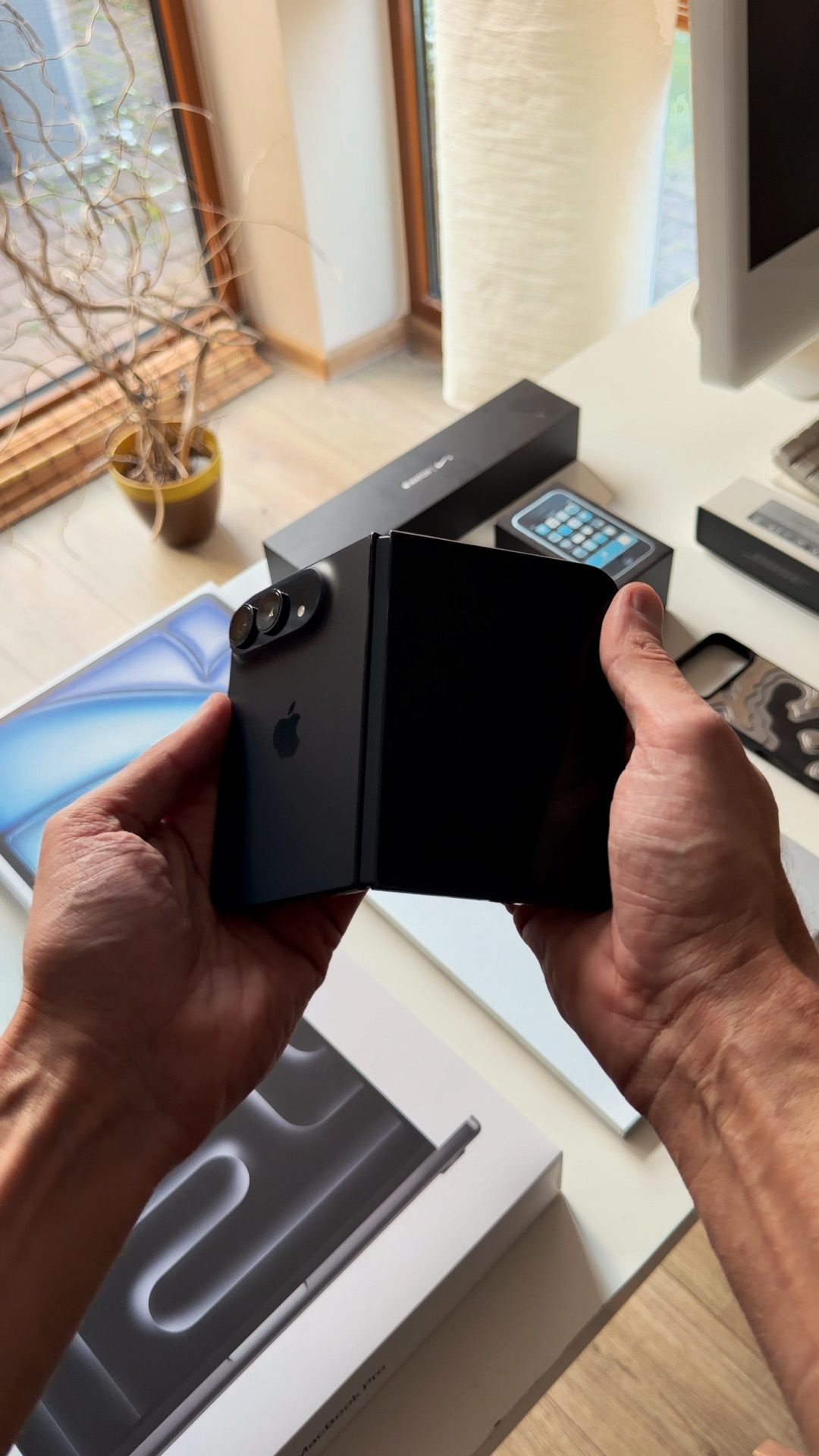
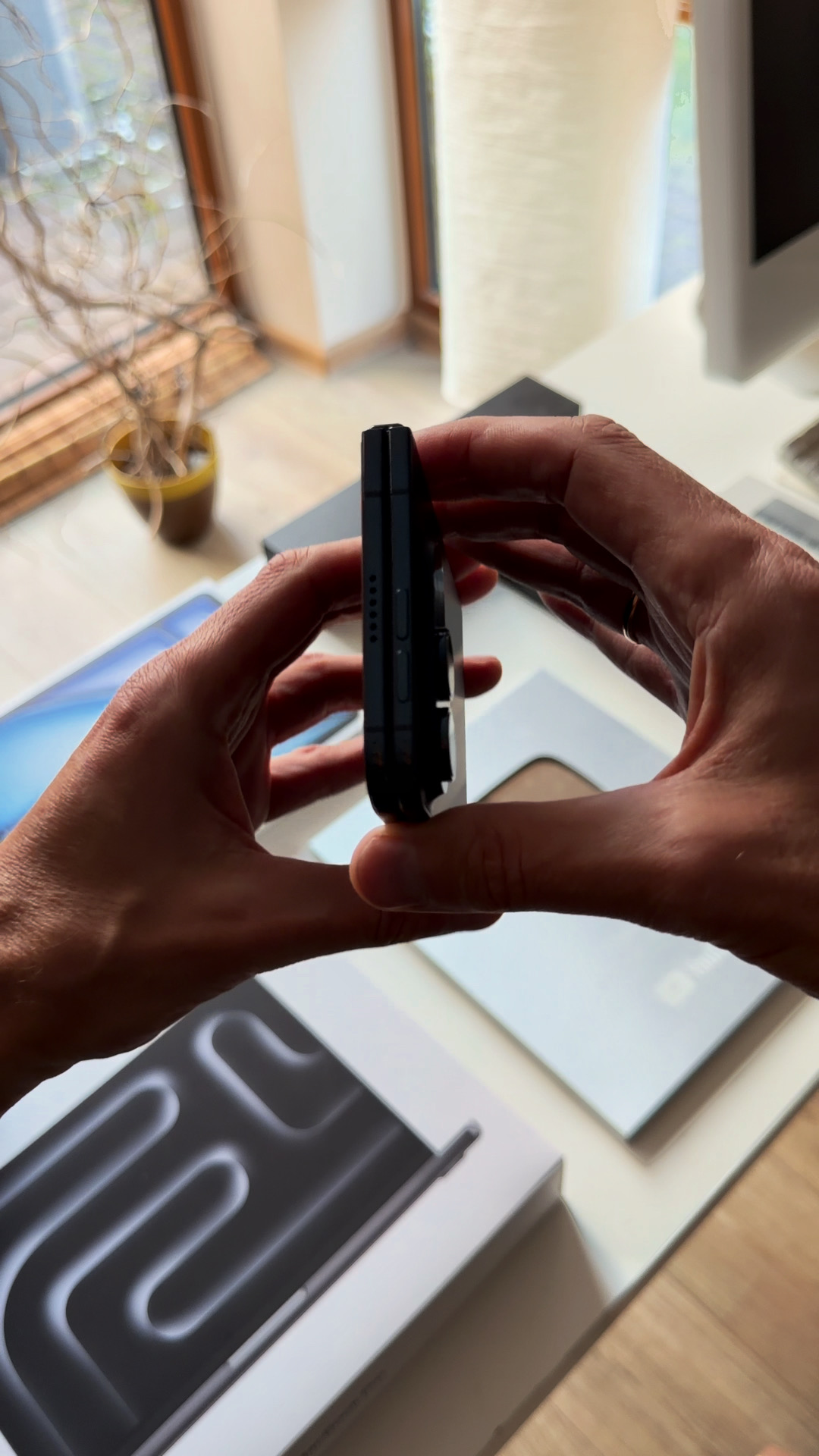
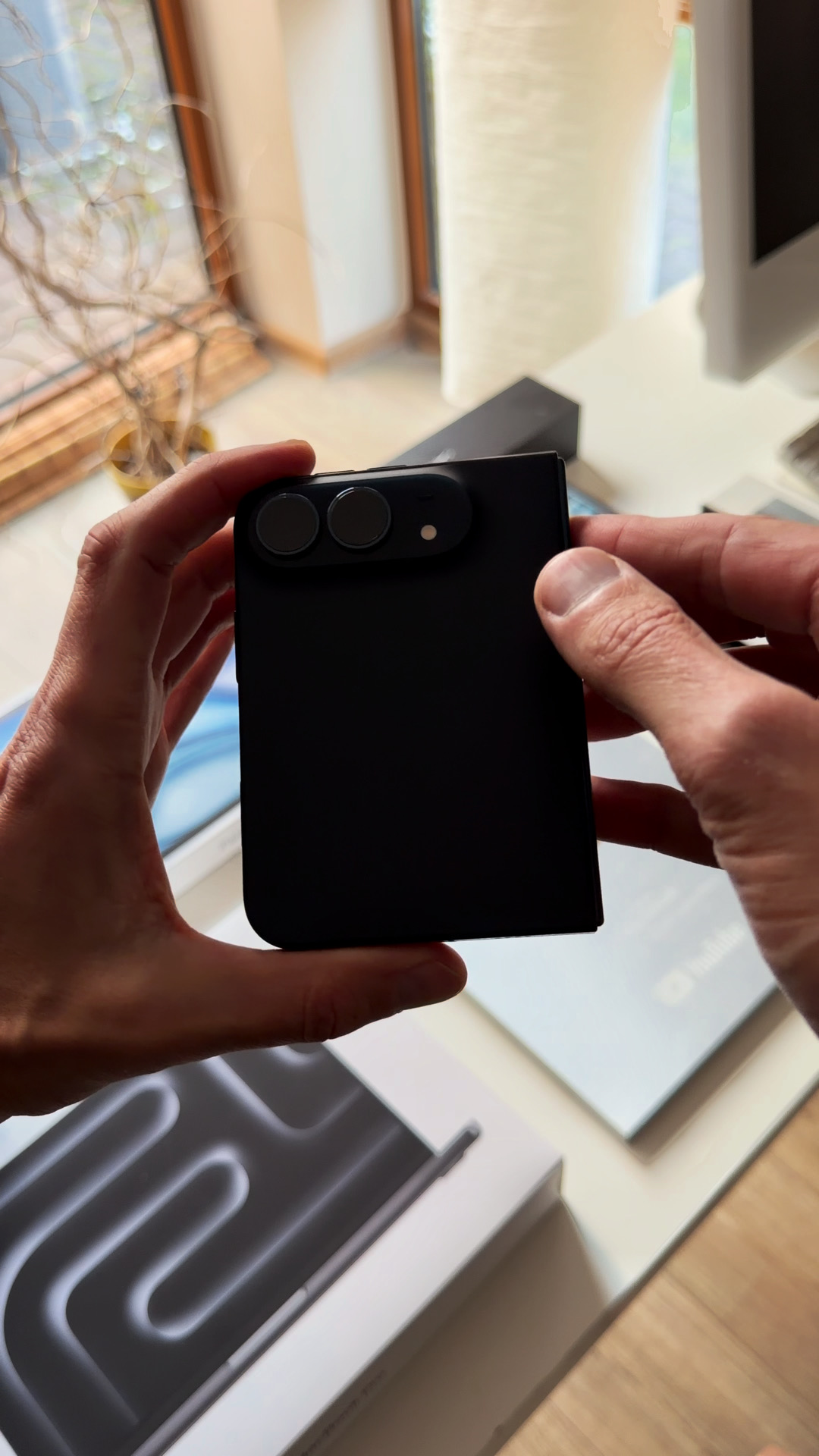
Apple officially introduced the iPhone Duo on September 9, 2026, with retail availability beginning on October 23. It marks the first major departure from the traditional rectangular iPhone design in the company’s smartphone history.
Of course, Apple didn’t invent the foldable smartphone. Samsung and several other manufacturers have spent years developing folding displays, experimenting with different screen proportions, and improving hinge mechanisms.
Apple has often taken this approach to new product categories. Rather than being first, the company tends to arrive when it believes the technology can be integrated into a broader hardware and software experience.
Whether that approach has produced the best foldable smartphone is something that will require considerably more time to establish. But Apple’s decision to enter this market is important in itself.
For millions of people who have spent years using iPhones, iPads, Macs, and Apple Watches, a foldable smartphone is no longer something that requires leaving their familiar ecosystem.
And for independent developers, it introduces an entirely new opportunity to rethink how iPhone applications should work.
For me, the appeal of the iPhone Duo goes beyond having the latest Apple product. I’m interested in how this new design could influence the things I already do every day.
I spend a considerable amount of time reading books, writing notes, browsing websites, managing content, looking at photographs, watching videos, and working with applications. Some of these activities are perfectly comfortable on a regular iPhone. Others would genuinely benefit from having more screen space.
I’ve always appreciated the convenience of the iPhone and the comfortable working environment of the iPad. But carrying both devices isn’t always practical, particularly when traveling.
The iPhone Duo offers an interesting compromise between those two experiences. It isn’t an iPad replacement in every situation, and I don’t expect it to be. What interests me is whether it can reduce the number of occasions when I feel that using a conventional iPhone is simply too limiting.
There is also another reason this device is particularly interesting to me: application development.
As someone who develops iPhone applications, I want to understand how people will interact with this new screen format. There is a substantial difference between adapting an application in a development environment and actually living with the device it was designed for.
Some questions can only be answered by using the hardware every day.
One of the most interesting things about the iPhone Duo is that it essentially has two physical identities.
When folded, it has a compact 5.4-inch outer display. When unfolded, it becomes a considerably larger device with a 7.6-inch inner display. Apple has also maintained matching screen proportions between the two displays, which should help applications transition between them more naturally.
The titanium construction is another important part of the design. A foldable smartphone presents much greater mechanical challenges than a traditional iPhone because its enclosure must accommodate a moving structure while maintaining reasonable strength and rigidity.
But I don’t think the design should be judged exclusively by how beautiful it looks in photographs.
What matters is how naturally it fits into everyday life. How comfortable it is to hold while walking. How often it needs to be opened. Whether it can be used easily with one hand. Whether its thickness becomes noticeable in a jeans pocket. Whether the folding mechanism continues to feel reassuring after thousands of uses.
These are the details that will ultimately define the product far more than an impressive presentation or a carefully photographed titanium finish.
Most iPhone reviews begin with the display or camera. With the iPhone Duo, I think the hinge deserves just as much attention.
After all, the folding mechanism is the defining characteristic of this device. It is something owners may interact with dozens of times every day, potentially for several years.
Apple has developed a precision hinge with more than 100 individual components. Its purpose is not merely to connect the two halves of the phone, but also to support the folding display and maintain the structural integrity of the entire device.
That is an impressive engineering challenge, but specifications only tell part of the story.
I’m interested in how the mechanism behaves over time. Will its resistance remain consistent? Will it develop any unwanted movement? How will it deal with everyday exposure to dust and the occasional careless interaction?
A mechanical component can feel wonderful during a product demonstration. The more interesting achievement is making it feel equally good two or three years later.
That is something no unboxing video, including my own, can establish.
One of the questions I want to explore is how frequently I will actually open the iPhone Duo.
At first, there is an obvious temptation to use the larger display whenever possible. It is the feature that makes the device different, after all. But once the novelty disappears, everyday habits are likely to become more important than the initial excitement.
For checking a message, answering a call, selecting music, making an Apple Pay payment, or quickly looking at an email, the outer display should be more than sufficient.
In fact, I suspect that a substantial part of everyday smartphone usage will continue to happen while the iPhone Duo is folded.
And that is exactly how it should work.
A good foldable iPhone shouldn’t force its owner to unfold it constantly. The outer display needs to be useful enough that opening the device remains a choice rather than an obligation.
The larger screen should be there when I need it, not because the smaller screen is deliberately inconvenient.
The 7.6-inch inner display is obviously the central attraction of the iPhone Duo. But simply making a smartphone display larger doesn’t automatically make the experience better.
We’ve seen this with tablet applications for years. Some developers carefully rethink their interfaces for larger displays, while others simply stretch their existing phone applications until everything looks unnecessarily large.
I hope the iPhone Duo encourages developers to take the first approach.
Reading an article should feel more comfortable. Looking through photographs should become more immersive. Opening a document should require less zooming. Managing files should feel less constrained. And applications with multiple sections should be able to use the available space more intelligently.
The interesting thing about this display is not how many additional pixels it contains, but what those pixels allow us to do differently.
If I simply end up looking at larger versions of the same social media feeds, I’m not sure that would justify an entirely new smartphone design.
Anyone considering a foldable smartphone is probably curious about the crease in the middle of the display.
It’s one of the most discussed characteristics of folding screen technology and something that manufacturers have spent years trying to minimize.
Apple uses a nano-textured finish on the inner screen, which is intended to reduce reflections and make the folding area less noticeable.
However, I think there is an important distinction between seeing a crease in a close-up photograph and noticing it during everyday use.
A camera positioned at a particular angle, under strong lighting, can reveal details that are much less prominent when someone is reading a book or watching a video. The opposite can also be true: a carefully controlled promotional photograph can make an imperfection difficult to see.
That’s why I want to examine the display under different lighting conditions and during different activities before reaching a conclusion.
I’m particularly interested in how noticeable the folding area becomes when reading text against a white background, since that is one of the activities I expect to spend considerable time doing on the iPhone Duo.
Beautiful hardware can attract attention, but software is what determines whether people continue enjoying a device after the first few weeks.
This is especially important with the iPhone Duo because Apple isn’t simply introducing a new screen size. It is introducing a device that changes its available display space depending on how it is being held.
Applications need to adapt gracefully. Interfaces need to remain familiar. And moving between the two screens should not interrupt whatever the user was doing.
One of the most promising additions is the ability to work with two applications side by side. It’s a feature that makes considerably more sense on the unfolded iPhone Duo than it would on a conventional iPhone.
Imagine reading a document while taking notes, browsing a website while writing an email, or researching something without constantly switching between applications.
These aren’t revolutionary computing concepts. Mac and iPad users have been doing similar things for years. But bringing them to a pocketable iPhone changes the circumstances in which they become available.
I’m particularly interested in whether Apple can achieve this additional flexibility without making iOS unnecessarily complicated.
The iPhone has traditionally been successful because people rarely need to think about how to use it. I would hate to see that quality sacrificed simply because the display has become larger.
Books, EPUB files, PDFs, websites, and long articles can benefit from the larger inner display.
Working with two applications side by side introduces new possibilities for everyday productivity.
Developers have an opportunity to rethink familiar iPhone interfaces for a folding display.
This is probably one of the areas I’m personally most excited about.
I enjoy reading books, and the idea of having a smartphone that can unfold into something resembling a small digital book has always appealed to me.
A conventional iPhone is perfectly capable of displaying a novel. Its greatest advantage is that it is always available. But during longer reading sessions, the narrow screen can sometimes feel restrictive.
An iPad solves that problem but introduces another one: it is a separate device that needs to be carried.
The iPhone Duo sits somewhere between the two.
I’ve already been working on adapting my own reading application, Books Pro, for this new form factor. The goal is not simply to enlarge the text or stretch the interface, but to make the reading experience feel natural on both displays.
I want to be able to start reading on the outer screen when I have a few minutes available and use the larger display when I have more time to enjoy a book.
There is something wonderful about the idea that the most advanced smartphone technology can ultimately make one of humanity’s oldest activities a little more comfortable.
Not everything needs artificial intelligence, complicated animations, or another subscription. Sometimes all you need is a good book and a comfortable screen.
Another area I want to explore is writing and organizing information.
I’ve spent a lot of time developing Notes Me, an application built around a deliberately simple idea: private notes without unnecessary distractions or AI-generated content.
The iPhone Duo introduces new possibilities for this kind of application. A larger display can provide more room for navigating between notes, reviewing information, and writing longer passages.
It also creates an interesting environment for working with notes alongside another application.
But once again, having more screen space is only useful if the interface takes advantage of it intelligently. I don’t want a notes application to become more complicated simply because it has more room available.
As both a developer and an everyday user, I’m looking forward to exploring which layouts feel natural and which ideas might look attractive in a design mockup but become unnecessary in real life.
This is one of the questions that will probably follow the iPhone Duo throughout its first generation.
My initial view is that the answer depends entirely on why someone owns an iPad.
If you regularly use a large iPad Pro for professional illustration, detailed video editing, or working with multiple documents, a foldable iPhone is unlikely to replace that experience completely.
But if you primarily use a smaller iPad for reading, browsing the web, watching videos, reviewing photographs, or occasionally working with documents, the iPhone Duo could potentially cover a significant portion of those activities.
That possibility is particularly interesting when traveling.
I don’t necessarily want one device to replace every other Apple product I own. I simply want each device to have a clear purpose.
If the iPhone Duo allows me to leave an iPad at home more frequently without feeling limited while traveling, that alone would be a meaningful benefit.
Comparing the iPhone Duo with the iPhone 18 Pro Max is inevitable, but I don’t think this comparison should be reduced to a traditional list of specifications.
These two devices represent different interpretations of what a premium smartphone should be.
The iPhone 18 Pro Max continues the development of a familiar, highly refined smartphone design. It doesn’t require owners to learn new physical interactions or think about which display they should use.
The iPhone Duo introduces flexibility, but also additional mechanical complexity.
For some people, that flexibility will be incredibly valuable. Others may discover that they simply prefer the straightforward experience of a traditional iPhone.
| Feature | iPhone Duo | iPhone 18 Pro Max |
|---|---|---|
| Design | Foldable | Traditional smartphone |
| Displays | Outer and inner displays | Single display |
| Reading experience | Compact or expanded layout | Conventional portrait layout |
| Multitasking | Side-by-side app possibilities | Traditional iPhone workflow |
| Mechanical design | Folding display and hinge | Rigid enclosure |
| Ideal for | Reading, productivity, and flexible screen use | A familiar premium iPhone experience |
I don’t automatically consider the iPhone Duo superior simply because it is newer and more unusual. An additional screen is only an advantage when it improves something you actually do.
For me, the comparison will become much more interesting after several weeks of regular use, when the excitement of owning a foldable iPhone has become less important than its practical advantages and disadvantages.
As someone who creates video content, I’m also interested in what the folding design could offer beyond the traditional iPhone camera experience.
Smartphone photography has reached a point where improvements in image quality are increasingly incremental. Better sensors, processing, stabilization, and dynamic range are always welcome, but the fundamental way we hold and operate the camera has remained largely unchanged.
A folding device introduces new physical possibilities.
Using a partially folded phone for certain shooting angles, positioning it on a surface without a traditional tripod, or taking advantage of the outer display for framing are ideas worth exploring.
Whether these capabilities become genuinely useful tools or simply interesting things to demonstrate during the first week will depend on their implementation.
I plan to spend time testing the camera system in ordinary situations, rather than drawing conclusions exclusively from carefully arranged photographs taken during the unboxing.
Real photography rarely happens under perfect lighting conditions. And real video production often reveals limitations that are difficult to identify from a specification sheet.
A larger display naturally raises questions about battery consumption.
Apple has developed a dual-battery architecture for the iPhone Duo, but real-world battery life will depend heavily on how frequently owners use the inner display and what they do with it.
Someone who primarily uses the outer screen for messaging, music, and occasional photography may have a very different experience from someone who spends several hours reading, watching videos, or multitasking on the larger screen.
This is why I’m not particularly interested in making a battery life judgment after an unboxing.
I want to see how the iPhone Duo handles an ordinary working day, including phone calls, email, social media, browsing, photography, navigation, music, and reading.
I’m also curious whether the new display format changes my habits enough to influence battery consumption. If I begin spending more time reading or working on the phone rather than switching to an iPad, additional usage will naturally affect the results.
The most useful battery test is the one that reflects how someone actually lives.
Buying a first-generation Apple product has always been an interesting decision.
On one hand, you get to experience a new direction in technology from the beginning. On the other, you are buying a product that will inevitably be improved over the following generations.
The next foldable iPhone may be thinner. Its hinge may be refined. Battery life may improve. Developers will have more experience designing applications for the format. Apple may discover that certain first-generation decisions need to be reconsidered.
That is simply the nature of technology.
I don’t believe everyone should buy the iPhone Duo just because it is Apple’s most interesting new smartphone. If your current iPhone works perfectly and you have no particular need for a larger display, upgrading may not make much sense.
But if you enjoy reading, frequently work with documents, travel regularly, or have been waiting for Apple to introduce a genuinely different iPhone experience, the Duo deserves serious consideration.
For me, the purchase is also an opportunity to explore the future of iPhone application development. That makes it especially interesting beyond its role as a personal smartphone.
This article marks the beginning of my experience with the iPhone Duo, rather than the conclusion of it. An unboxing can reveal a lot about design and presentation, but it cannot establish whether a smartphone is genuinely enjoyable to own.
Over the coming weeks, I want to concentrate on the following areas:
I also want to spend time experimenting with different application layouts, creating wallpapers specifically for the iPhone Duo, and exploring how independent developers can make better use of this new hardware.
There is an entire generation of software ideas waiting to be explored here, and I suspect that some of the most interesting applications for the iPhone Duo will come from relatively small development teams rather than the largest technology companies.
Perhaps the most interesting aspect of the iPhone Duo is that it gives us something new to discuss.
For years, conversations about new iPhones have revolved around familiar questions. How much faster is the processor? How much better is the camera? How many additional hours of battery life does it offer? Is the new color particularly attractive?
Those questions aren’t going away, but the iPhone Duo introduces another one: how do you actually want to use your iPhone?
That is a considerably more interesting conversation.
Apple has spent nearly two decades refining the smartphone as a single rectangular object. Now the company is exploring what happens when that object can transform according to the situation.
It may take several generations for Apple and independent developers to fully understand what this new design should become. There will almost certainly be awkward interfaces, questionable software decisions, and features that sound more useful during a presentation than they turn out to be in reality.
But that is also part of what makes this moment exciting.
For once, I don’t feel particularly interested in whether the new iPhone is fifteen or twenty percent faster than the previous generation. I’m interested in discovering whether it changes what I do with the device throughout the day.
So here it is. My own iPhone Duo, photographed, filmed, and ready to become part of my everyday life.
I don’t want to declare it the best iPhone Apple has ever made before spending enough time with it. Equally, I don’t want to dismiss the idea of a folding smartphone simply because there may be compromises compared with a conventional design.
What I want is to experience it as an actual owner.
To read books on it. To take photographs. To create content. To write notes, travel, explore applications, and discover the little details that rarely appear in official marketing material.
Some things may genuinely impress me. Others may become frustrating. And I hope to share both sides of that experience here on AppleBlog.
For now, I’m simply enjoying the fact that, after so many years of discussing the possibility of a foldable iPhone, I finally get to discover what owning one actually means.
And that feels like a rather good reason to be excited about technology again.
Have you already purchased Apple’s first foldable iPhone, or are you waiting for the second generation? Do you see a folding display as the natural future of smartphones, or do you still prefer the simplicity of a traditional iPhone?
I’m especially interested in hearing from people who have been using a conventional iPhone Pro Max for years. Would the ability to unfold your phone into a larger display genuinely change your everyday experience?
Let me know in the comments. And if there is something specific you would like me to test on the iPhone Duo, feel free to leave your suggestions. I have the device now, so there is finally an opportunity to answer these questions through actual use rather than speculation.
Apple announced the iPhone Duo on September 9, 2026. Preorders opened on October 16, and retail availability in the United States began on October 23, 2026.
Yes. The iPhone Duo is Apple’s first commercially released iPhone featuring a folding display and two distinct screen configurations.
The iPhone Duo features a 5.4-inch outer display and a 7.6-inch folding inner display. The larger screen becomes available when the device is unfolded.
The iPhone Duo is powered by Apple’s A20 Pro processor.
The iPhone Duo uses Touch ID integrated into its side button for biometric authentication.
Yes. Apple has introduced side-by-side application multitasking for the larger iPhone Duo display, creating new possibilities for productivity and working across apps.
The larger inner display makes the iPhone Duo a promising device for reading EPUB books, PDFs, and long articles. The overall experience also depends on how well individual reading applications are adapted to the folding display.
Potentially, for users who primarily use an iPad mini for reading, browsing, and entertainment. However, it depends on individual preferences, application requirements, and everyday usage.
The iPhone Duo offers a flexible folding design and a larger inner display, while the iPhone 18 Pro Max provides a more conventional premium smartphone experience. The better choice depends on how you use your phone.
According to Apple, the iPhone Duo has an IP68 resistance rating under controlled laboratory conditions. Water and dust resistance are not permanent and may decrease with normal wear.
The iPhone Duo is particularly interesting for people who value additional screen space, reading, multitasking, and a different smartphone form factor. Buyers who prefer mature hardware designs may also consider waiting for future generations.
Technical specifications and release information: Apple Newsroom — Apple unveils iPhone Duo.
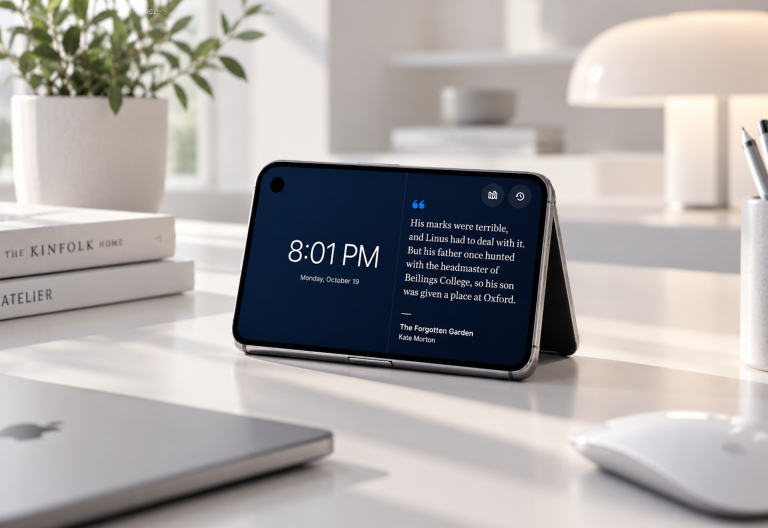



0 Comments
Share your thoughts with other AppleBlog readers.