Design and Build Quality
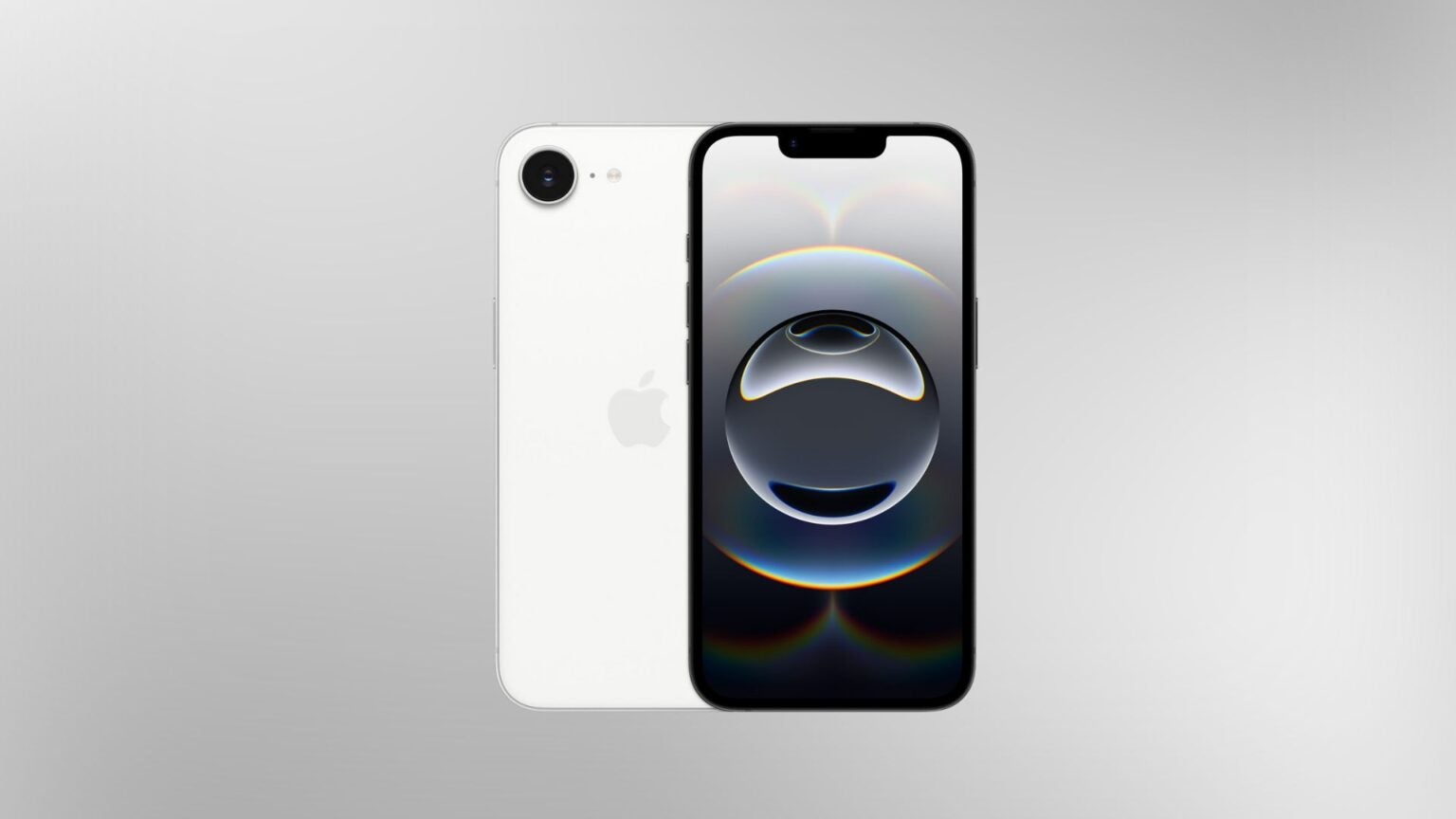
The iPhone 16e maintains the classic Apple design language, looking very similar to the iPhone 14. It features a 6.1-inch Super Retina XDR OLED display, which delivers sharp colors, deep blacks, and excellent brightness levels. While it supports HDR10 and Dolby Vision, it lacks ProMotion (120Hz refresh rate), meaning scrolling won’t be as smooth as on the iPhone 16 Pro models. Apple has also kept the traditional notch, rather than adopting the Dynamic Island, making it feel slightly outdated.
The phone comes in two colors: Black (matte) and White (matte). Its aluminum frame and glass back offer a premium feel, but without the ceramic shield found on Pro models, it might be slightly less durable.
Display Performance: Bright and Vivid, but Not the Best
The iPhone 16e’s Super Retina XDR OLED display is its strongest selling point in this price category. Here are some key highlights:
- Resolution: 2532 x 1170 pixels (~460 ppi density)
- Peak Brightness: 1,600 nits (standard), up to 2,000 nits outdoors
- Color Accuracy: Supports the P3 wide color gamut and True Tone for a natural viewing experience
- No ProMotion: Stuck at 60Hz, unlike the 120Hz on Pro models
For most users, the display will be bright, vibrant, and great for everyday use, whether it’s browsing, streaming, or gaming. However, the 60Hz refresh rate feels outdated when compared to even some mid-range Android competitors that now offer 90Hz or 120Hz.
Performance: Apple A18 Chip with a Twist and Outstanding AI Capabilities
Unlike the iPhone 16 and 16 Pro, which feature the A18 Pro, the iPhone 16e is powered by the Apple A18 chip (non-Pro version). Here’s what that means:
- 6-core CPU (2 high-performance, 4 efficiency cores)
- 4-core GPU (vs. 6-core on the Pro models)
- Neural Engine improvements for AI tasks
- 5G connectivity with Apple’s new C1 modem
One of the standout features of the iPhone 16e is its highly efficient AI integration, which enhances everything from camera processing to predictive text input and Siri’s responsiveness. Apple’s AI-driven optimizations ensure faster app launch times, real-time language translations, and improved photo enhancements.
In daily tasks, the iPhone 16e performs smoothly, whether it’s multitasking, gaming, or video editing. However, the lack of a high-refresh-rate display means animations feel slightly less fluid compared to the Pro models.
Apple also introduced its first in-house 5G modem, the C1, which claims to offer faster speeds and better power efficiency compared to Qualcomm’s modems used in previous iPhones. However, it lacks mmWave 5G support, meaning it won’t get the fastest 5G speeds available in some areas.
Camera System: Surprisingly Good for a Budget Model
The iPhone 16e features a single 48MP main camera, similar to the standard iPhone 16, but it lacks an ultra-wide lens. Let’s break down what it offers:
Camera Specs:
- 48MP (f/1.6 aperture) main sensor
- 2x optical-quality zoom using sensor cropping
- Smart HDR 5 and Deep Fusion for better details
- Night Mode, Portrait Mode, and Cinematic Mode
Camera Performance:
- Daylight Photography: The 48MP sensor produces crisp and detailed images with excellent dynamic range. The new Smart HDR 5 ensures natural skin tones and accurate color reproduction.
- Low Light Performance: Thanks to sensor cropping and improved Night Mode, the iPhone 16e takes decent low-light photos, though it lacks a dedicated telephoto or ultra-wide sensor.
- Zoom Performance: While it can achieve 2x zoom with sensor cropping, it lacks a dedicated telephoto lens, so anything beyond 2x starts to lose quality.
- Video: The iPhone 16e supports 4K at 60fps with Cinematic Mode, making it a strong choice for video creators on a budget.
The lack of an ultra-wide lens is a major downside, especially for those who enjoy landscape or group photography.
Battery Life and Charging: Surprisingly Efficient
Apple claims that the iPhone 16e offers the best battery life ever for a 6.1-inch iPhone. Here’s what we know:
- Battery Life: Up to 20 hours of video playback, 15 hours of streaming, and 70 hours of audio playback.
- Charging: Supports USB-C fast charging (50% in 30 minutes with a 20W adapter).
- Wireless Charging: Yes, but no MagSafe support, meaning slower wireless charging speeds.
For casual users, the battery will easily last a full day, but the lack of MagSafe compatibility might be a dealbreaker for those invested in Apple’s ecosystem.
Who Is the iPhone 16e For?
This phone is perfect for:
- Students or casual users who want an iPhone with solid performance but don’t need the Pro features.
- Business professionals looking for a reliable second phone.
- Older iPhone users (iPhone XR, 11, or SE users) who want an upgrade without spending over $800.
It’s not ideal for power users who want a 120Hz display, telephoto lens, or Pro-level features.
Final Verdict: Great Phone, But Will Apple Keep It?
The iPhone 16e is a fantastic value-for-money device, and its AI-powered optimizations make it even more efficient. With its smart enhancements, daily tasks feel smoother, making it a great option for those who rely on AI-driven features.
Given its attractive price ($599 for the base 128GB model, $699 for 256GB, and $799 for 512GB in the US), it might cannibalize sales of the iPhone 16. If you’re thinking about buying it, do it fast—this iPhone might not last long in Apple’s lineup.


0 Comments
Share your thoughts with other AppleBlog readers.